






‘I aim to make the listener feel as if they’re dancing in a Finnish forest’. A conversation with Finnish producer Kaspiann
Finnish artist Kaspiann is a new name to the wider Ukrainian audience. He is a DJ, sound producer, and one of the key figures on Helsinki’s electronic music scene. Over the past few years, he has developed a striking vision for his own sound — a psychedelic, immersive, almost shamanic trance that transports listeners to Finnish forests. He conveys this vision of music and parties — with a ‘sound in the fog’ atmosphere — through his own label, Vala, and the eponymous series of events.
Outside of Finland, Kaspiann performs primarily live. He will make his Ukrainian debut with a live set on April 4 in Kyiv at a major event celebrating Rhythm Büro’s 11th anniversary. Co-founder of the project, Vera Logdanidi, says that the magic of Kaspiann’s performances allows audiences to travel not only through Finnish forests but also to nostalgically return to the forests of the Natura Festival near the Kyiv Sea (the last Natura by Rhythm Büro took place in the summer of 2021, and in 2024 the team announced the closure of the format. — Note from DTF Magazine).
DTF Magazine spoke with Kaspiann before his performance in Kyiv — about finding his own sound, his music-making routine, the place of live performances in the modern scene, and the common context of Finland and Ukraine in their opposition to Russian imperialism.
— For those hearing about you for the first time, how would you describe yourself as an artist, and how has music become a part of your life story?
—I've always been very interested in music. As a kid, I used to bang my grandmother's food containers turned upside down to make my own drum kit. Later on I started playing guitar and did that for a few years before discovering that you could do electronic music with a computer and everything kinda started from there.
I would describe myself as a doer — someone whose curiosity led me to organizing parties, building sound systems, starting a label, and making music in general. I enjoy making things on my own and appreciate a strong DIY attitude.
— Under what circumstances did you start producing your own tracks?
— When I was a kid, I heard this huge Finnish trance hit — ‘Sandstorm’ by Darude, which turned 25 years old last year, and decided that I wanted to make something like that as well. So I started looking for ways to make music on our family computer and I stumbled upon a tracker called Jeskola Buzz which I used to fiddle together what you could call my first track. From there it has been just years and years of trial and error in search of pleasing rhythms and sounds.
I still have that very first mp3 saved in my archives. It's good to have a listen every now and then to get perspective on how things have progressed, if they have... (laughs)
About the transformation of music and ‘swampiness’
— How has your music changed over the years, and how would you describe your sound now?
— In my first releases there was a sense of naivety that is hard to achieve again. From a technical point of view, I feel like I've moved light-years ahead, but I also feel that, with improved knowledge, I've grown more uncertain — whether small details and mixing tricks are enough to keep a track in balance, or whether my opinion of the mixdown is good enough. It's still the same everlasting learning process: discovering new tricks and loving the way small details matter.
Over the years I think I've developed a more and more psychedelic approach to making tunes and am always on the hunt for some uncanny tones. One friend once called my music swampy and would say that it has been the best description so far. It kinda clicked into place after years of dabbling with forest psytrance influenced sounds.
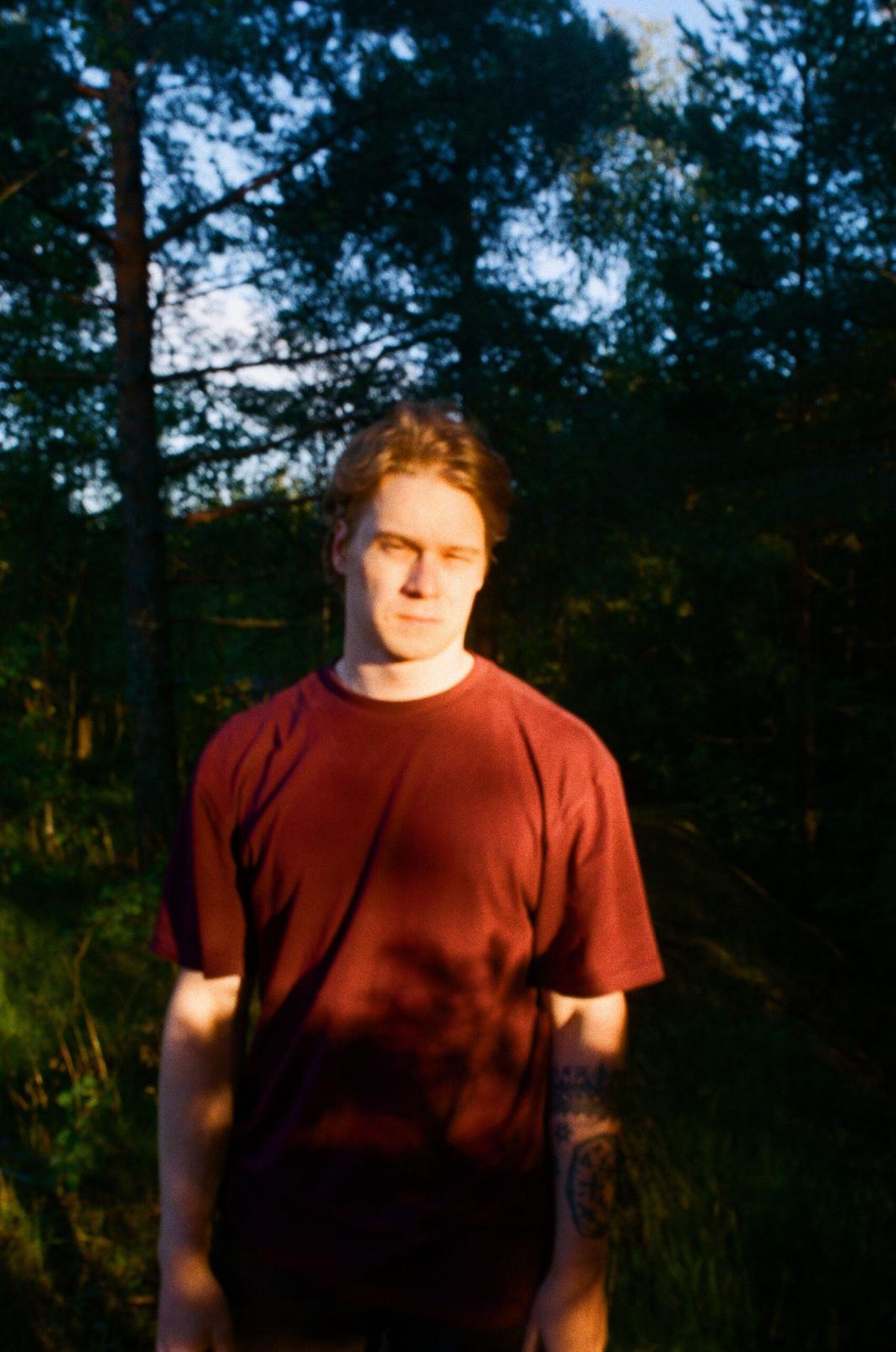
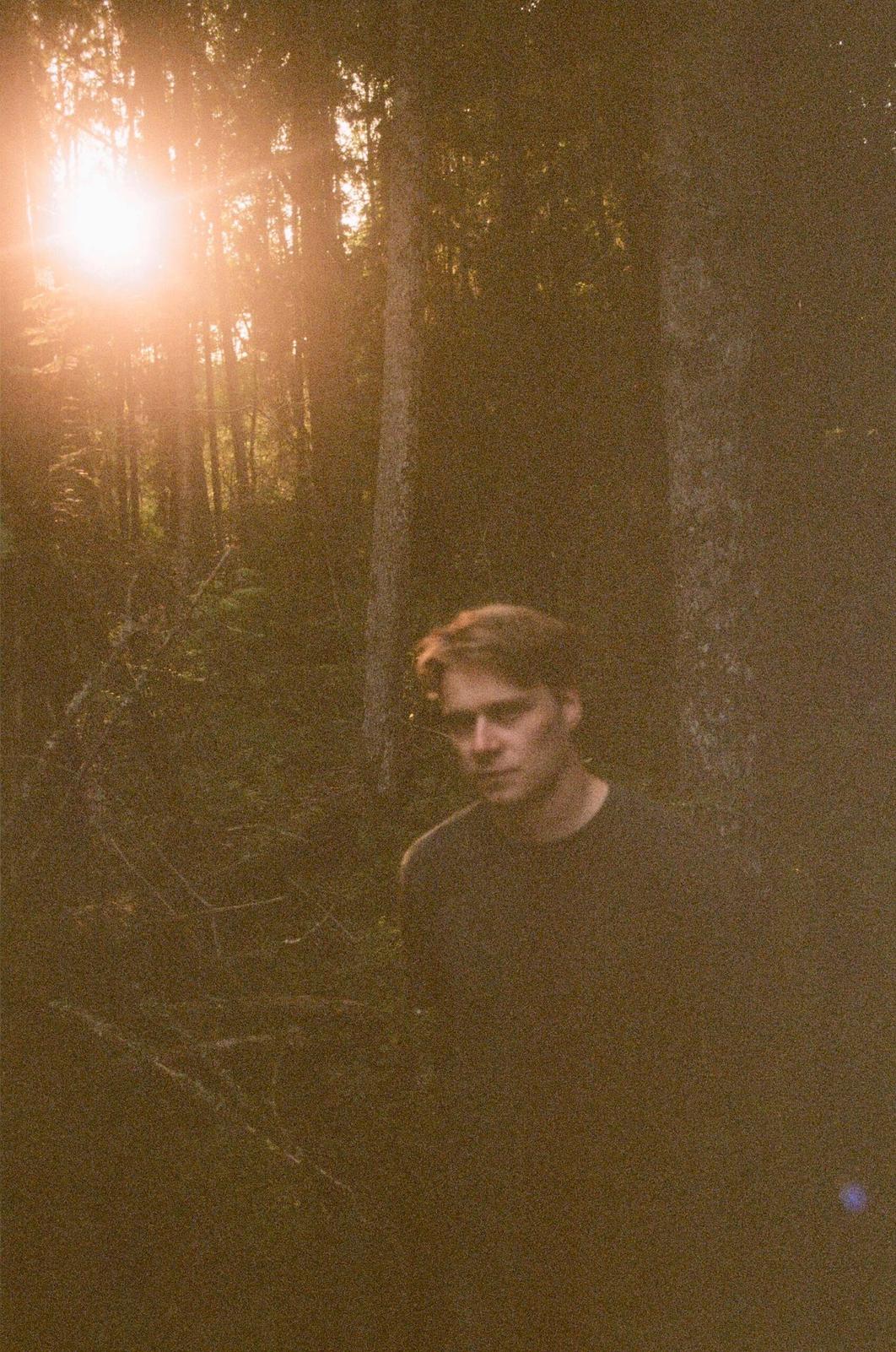
In general my aim is to make the listener feel like dancing in the Finnish forest wherever they are hearing my tracks. Strolling along forest trails like some sort of troll.
— What is your general approach to producing music? What inspires you to sit down and start creating — a cool sample you’ve heard, an event from your personal life, or an idea that suddenly pops into your head?
— Usually, I start by finding or making some sort of hooky pattern — a bassline or synth idea — that feels like it could work as the basis for a track.
Sometimes I go over my old jam recordings and find some cool bits that were previously unused that with a fresh pair of ears might spark an idea for a track. Everything usually starts rolling from there and then where it ends up is always a matter of iterations the track goes through.
Sometimes I end up making the track much faster or much slower than it initially was and just seeing what sticks and works. I like to imagine my tracks within some sort of context where they could be played, to find an aim and purpose for the tricks I try to use.
About the track-writing process
— What do you pay special attention to in the creative process? What conditions are most conducive for you in this context?
— The most important thing for me in the process when making music is that it needs to be fun and something that I truly enjoy doing. If it ever stops bringing me joy or being fun, then it's a good time to stop trying to make tracks happen.
That doesn't mean you shouldn't sometimes work through some boring or not-so-fun parts but in general it should be something that gives inner peace or a sense of meaning to the time spent sitting in front of the machines.
The final mixing phases and iterations of trying to find the correct balance between elements are always such a burden but the outcome should feel like relief and something that I myself would enjoy listening to. After all, the most important person who I make my music for is myself. It needs to be something that I care about and enjoy to be worth releasing to other people.
But from a more technical perspective for me personally, I really need a good working environment / setup with a working keyboard, big enough screen, good headphones and a mouse to efficiently get my ideas down. Everything else can be extra fun or just disrupt the process but if the basics aren't properly there, then the fun won't even begin.
— What equipment do you usually use? What do you like most about it right now?
— I've noticed over the years that less is more for me and because of that I don't want too many synths to be lying around in my studio setup. I've started to appreciate a more neutral and balanced sounding environment so lately I've been aiming for that and trying to get rid of all the excessive gear I don’t use.
But the few things I wouldn't want to part with would be my small modular case, Moog DFAM and Make Noise 0-Coast. I like to use my modular case as an extension of DFAM or 0-coast or just the latter two as a combo. At some point I didn't use anything else except DFAM and 0-coast along with my RME sound card. Sometimes limiting yourself is the best way to spark inspiration.
About the love of live performances
— Why do you prefer live performances?
— I didn't really prefer live performances in the beginning. I was asked to do a live set for a party organized by my friends here in Helsinki and I found out that it's pretty fun to play live and people seemed to like what I did. That was quite a few years ago but that's where my live set journey started. From that point on, I was asked to do live sets every now and then, and now I mostly play live when performing outside of Helsinki. I can't really complain, but I also love doing long DJ-sets.
I really do love playing live as it feels like the greatest honor possible to me — to be invited to play my own music for an hour or so and give an impression of what a live set in this kind of music should be. It feels very personal when playing and can really tear open some scars if you're not really in the mood but as the opposite it can also generate the most memorable feelings when everything aligns. That said there is a huge spectrum of emotions to experience when playing live and I really hope that those are transmitted to the listener.
— Don’t you think that live performances at events are getting less attention than they could right now? If so, why do you think that is?
— I don't really know if live performances are getting any less or more attention than before. My assumption would be that those being booked for live sets really need to polish their sets and sound to something recognizable so you know from small tricks and sounds that who is playing even if you wouldn't hear them.
It's also way easier to change the mood and direction of the performed set by playing a DJ set so no doubt it's easier to book them over live acts. Also might be that nowadays the live set as a concept can be a bit mythical and unknown with all the possible ways to do it. All the possible technical difficulties also play a role multiplying the difficulty of booking live acts. But the live sets you can hear nowadays are from artists that are light years ahead with their thing and it's amazing to see and hear those ones from a good sound system.
About Vala's label and party series
— Why did you decide to start your label, Vala? What kind of music do you release on the label with other artists?
— The name Vala is a Finnish word and means ‘oath’ and it is a project for my output and all the ideas I've gathered over the years. Five years ago I felt like I was in a situation where I wasn't really sure where I should head to with my music and where I should try to push it. So I put together Vala and made some parties under that name and released the first record in 2021. It's a very DIY project where graphics, ideas and everything is mainly my own doing. Basically a canvas for me to fool around and make multiple things at the same time while still keeping it very much DIY.
Later on that felt so stupid and could have gone so terribly wrong but somehow I managed to make it work. Now it feels like it was the best decision ever and I feel immense pride in it. There isn't a strict goal for output of the releases but I guess there is some sort of unifying theme as the releases on Vala are mainly from me and people around me. Every release so far has been born very naturally.
— What about the parties you organize under the label’s name? What’s the concept behind them, and how do they differ from other events?
— I have a certain idea and vision of how I would love to see parties look, feel and sound like. Doing parties for me is also just to fulfill the need to do and try to chase that vision. There is no other ultimate goal there to be honest.
I would wish the listener to be swallowed by the fog and kinda forget themselves in there while the surrounding fog keeps pulsating by the wall of sound rolling over. Kinda if you would be inside a cloud.
About the electronic music scene in Helsinki
— What does the nightlife scene in Finland look like, in your opinion? How would you describe the clubs and the audience in Helsinki?
— From the capital point of view and considering the size of the city, it's very healthy and alive in Helsinki where I'm native. There are a comparably good amount of proper clubs with focus on club music. Things are good here for electronic music and the scene is very active from grassroots DIY things to more serious club events.
There are a good amount of small and active micro-scenes for different styles of electronic music and in general people are really knowledgeable about the music. There are about 4 good venues (Post Bar, Kaiku, Ääniwalli & Kuudes linja) with varying club concepts but with a focus on club music or electronic music. All of them have very good quality and very nice venues in their own way.
There is also a very good hidden layer of music focused parties in Finland but these are usually kept away from public view to maintain its freedom. These are true hidden gems scattered throughout the country: sometimes in the woods, sometimes in abandoned warehouses.
People's response to the music played depends completely on the type of the event. I have no idea what would be the most popular type of music but obviously techno has been doing very well in Finland for the past 3 years after Covid.
— What kinds of events do you usually like to attend?
— Over the years I've started to pay more attention to the parties that I'm going to attend. I used to work in clubs so I saw a lot of parties from start to finish but very few of them stayed in my mind as something special so now I'm reserving my energy for ones I'm truly interested in. Usually it involves friends being present, artists I’m really interested in, some hidden or forest location or in any other way a bit more special occasion.
About the visit to Ukraine and the war
— Had you heard of Rhythm Büro before you were invited to play at their 11th anniversary? Do you know anything else about the Ukrainian electronic scene?
— I've been following Rhythm Büro ever since their second or third release on the label side or so I've been very aware of the parties, podcast series and releases they've been putting out.
To be honest, I’m not very familiar with the Ukrainian scene, aside from a few names, clubs, and projects. I know about K41 and Closer, and from the Rhythm Büro crew, I follow Na Nich. I’ve also heard a lot of positive feedback about the Ukrainian crowd — apparently, it’s unique.
— Why did you agree to play in Ukraine? Why did you decide to come right now?
— If someone feels like it's worth it to invite me into Kyiv right now then I don't see why I shouldn't come. It's a huge honor. I really wish that I could bring some joy and hope along me. Also I really would wish it to be seen as a stance of support for Ukrainian people.
— What are your thoughts on the war in Ukraine, given the Finnish context and your country’s relations with Russia?
— It’s a subject you don’t need hours and hours of political debate to understand the background or whatever is the reason that led to this over four year long ‘quick special military operation’ and come to some sort of concluding opinion about it.
Simply put I see it so that Russia is imperialistic nation and should get the fuck out of Ukrainian soil. Unfortunately we have seen this before (Finland was occupied by the Russian Empire from 1809 to 1917 and also lost one-tenth of its territory as a result of the Soviet-Finnish War of 1939–1940. — Note by DTF Magazine).
It’s a bit far-fetched to hope that during my lifetime we would see the end of Russian imperialistic greed and bitter USSR nostalgia. Hopefully we'll soon be able to look back at this from a more peaceful time and learn from Ukraine. Also I wish we would as Europe collectively support Ukraine way more than we have done now.
— Is there anything you’re looking forward to seeing in Ukraine?
— I really want to taste some local tastes, some good local beers, just hear or feel the buzz of day to day life and in general just Ukrainian landscapes for the short period of time I'm there. Slava Ukraini!
/1456x1040/filters:format(webp)/p/5/b2/ca1ff0e00555856d7bf281080fd06b25.webp "ukrainian-fashion-week-2026-dtf-magazine")
/1456x1040/filters:format(webp)/p/1/d6/3c06840c416389780da944c432e5ed61.webp "monkey-fusion-cover-dtf-magazine")
/1456x1040/filters:format(webp)/p/8/f1/2d4d56767cf7bc6cb6c284cedd02cf18.webp "museum-of-ww3-artefacts-cover-dtf-magazine")
/1456x1040/filters:format(webp)/p/8/7b/a50f8bc1181d743a03a9705e7569d7b8.webp "turbat-cover-dtf-magazine (1)")
/1456x1040/filters:format(webp)/p/3/36/116dd408399c0cb26d10d6398e701363.webp "memento odesa interview dtf magazine")
/1456x1040/filters:format(webp)/p/b/62/088b594e785ad09bfd0344d9f723762b.webp "cover-dtf-magazine (58)")
/1456x1040/filters:format(webp)/p/1/37/dfd743698ee9072473e61b00ed8a2371.webp "match in a haystack dtf magazine")