





‘Our film is largely different from war documentaries’: Director Joe Hill on the film dedicated to Ukrainian dancers
/2880x/filters:format(webp)/p/1/37/dfd743698ee9072473e61b00ed8a2371.webp "match in a haystack dtf magazine")
One of the protagonists of the documentary ‘Match in a Haystack’ asks her sister, who serves in the military: ‘Are you okay with me dancing?’ Like the other women featured in the film, she struggles to understand whether she still has the right to continue her career as a dancer while her peers and colleagues are fighting in the war.
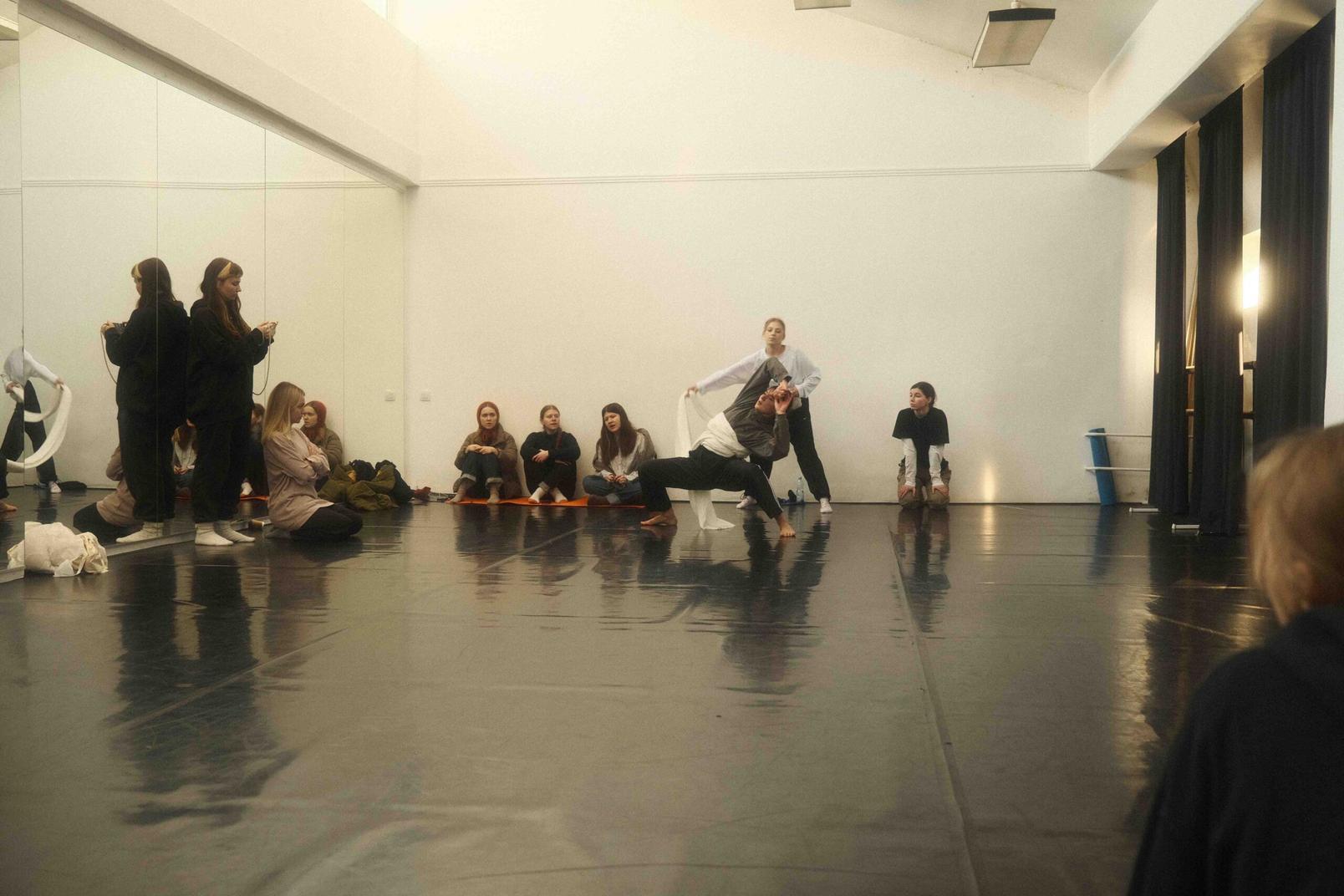
‘Match in a Haystack’ was directed by American filmmaker and journalist Joe Hill. Its protagonists are Ukrainian artists working on the independent movement-based theater performance ‘Kosachka’, dedicated to Ukrainian women serving in the military.
For seven years, Hill worked at VICE News, covering armed conflicts around the world. War still remains central to the themes he explores, but now he is more interested in examining what happens to people who try to find the strength and meaning to continue creating culture and art while the world around them is collapsing.
The film’s stage director was Yuliia Lopata, while the choreography was created by independent choreographer Halyna Pekha, founder of the contemporary dance group Procontemporary. The costumes were designed by artist Asia Sutiahina (‘Homeward’, ‘Luxembourg, Luxembourg’). The film was produced by American ballerina Misty Copeland and Stefanie Noll, who was born in Ukraine and works in London.
The Ukrainian premiere of ‘Match in a Haystack’ took place at the Odesa International Film Festival in 2025. Though it bypassed a traditional cinema run, you can now find it on the MEGOGO streaming platform. Specifically for DTF Magazine, Joe Hill and Hala Pekha talk about the making of the film and how they find the strength to keep creating
— Joe, before bringing the film to the Odesa International Film Festival, you released it in a limited theatrical run in the U.S. How did people there react to it?
— Joe Hill: We held the film’s theatrical premiere in New York’s Ukrainian Village. It was important for us to screen the film there first, and we felt that this was exactly where we would find the right audience for ‘Match in a Haystack’.
The day before the premiere, I came to the cinema to help set up the sound, see how the film would look on the big screen, and so on. I was overwhelmed with emotions and really nervous. It was funny, because I remembered teasing Yuliia (Lopata, the director of ‘Kosachka’ — DTF Magazine’s note), who had been just as anxious before the premiere of ‘Kosachka’.
The first screening of ‘Match in a Haystack’ was incredibly crowded — we sold out all the tickets. The audience was struck by the stories the girls shared in the film, and they showed so much support for me and the crew. We had around 30 screenings of ‘Match in a Haystack’ across the U.S., and none of them had random audiences — the people who came were genuinely interested in this story and deeply touched by it. That means a lot to me.
— And how did you find out about the girls and ‘Kosachka’?
— Hill: The project began when I was still a journalist at VICE News. I had worked there for many years, covering armed conflicts and wars throughout my career. And I believe journalists should carefully document what is happening in the world and how people experience these defining moments. That’s why it was important for me to come to Ukraine — to tell stories about death, destruction, and the other terrible things happening here.
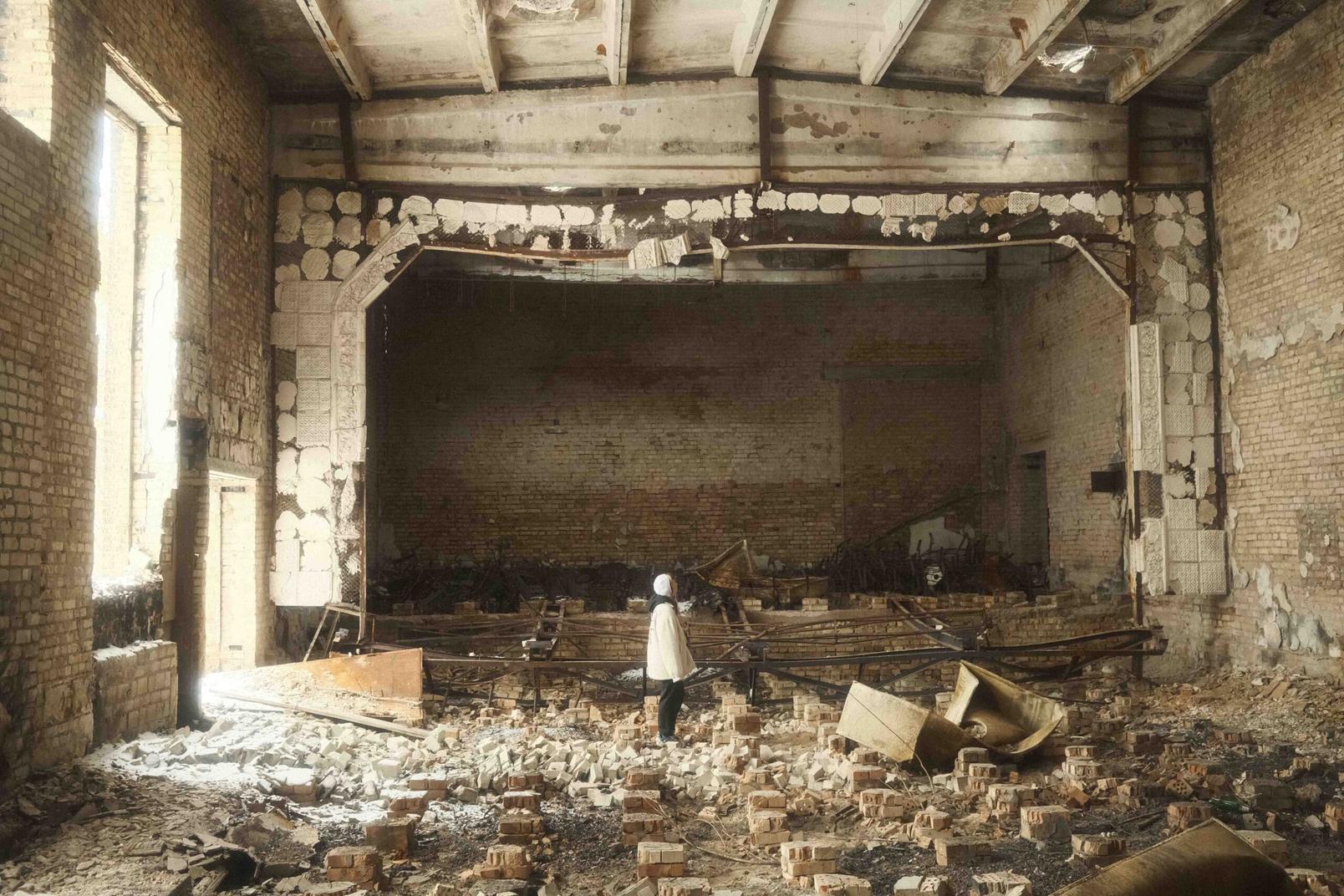
But if we fill history books only with death and destruction, that will be the only thing we remember. I believed it was vital to show people who kept making art to stay human and preserve their sense of meaning. So I reached out to dancer Stefanie Noll, who was born in Kyiv and knows many people in Ukraine.
Together, we probably called every artist we could find in Ukraine. Some of them had fled the country and were already living elsewhere in Europe. Many had gone to the front lines. And that became an important part of the story too — the artists who could no longer continue creating.
And then we found Yuliia Lopata, who told us about her wild project ‘Kosachka’. She opened up about her internal conflict and the weight of choosing creativity at a time when many of her peers were either unable to create or were serving on the front lines. And we felt that this struggle — the doubts she was going through — was the right one.
So I decided to try telling the story of these women. Maybe Hala — whom, by the way, we had to persuade for quite some time to take part in the film — can explain it better.
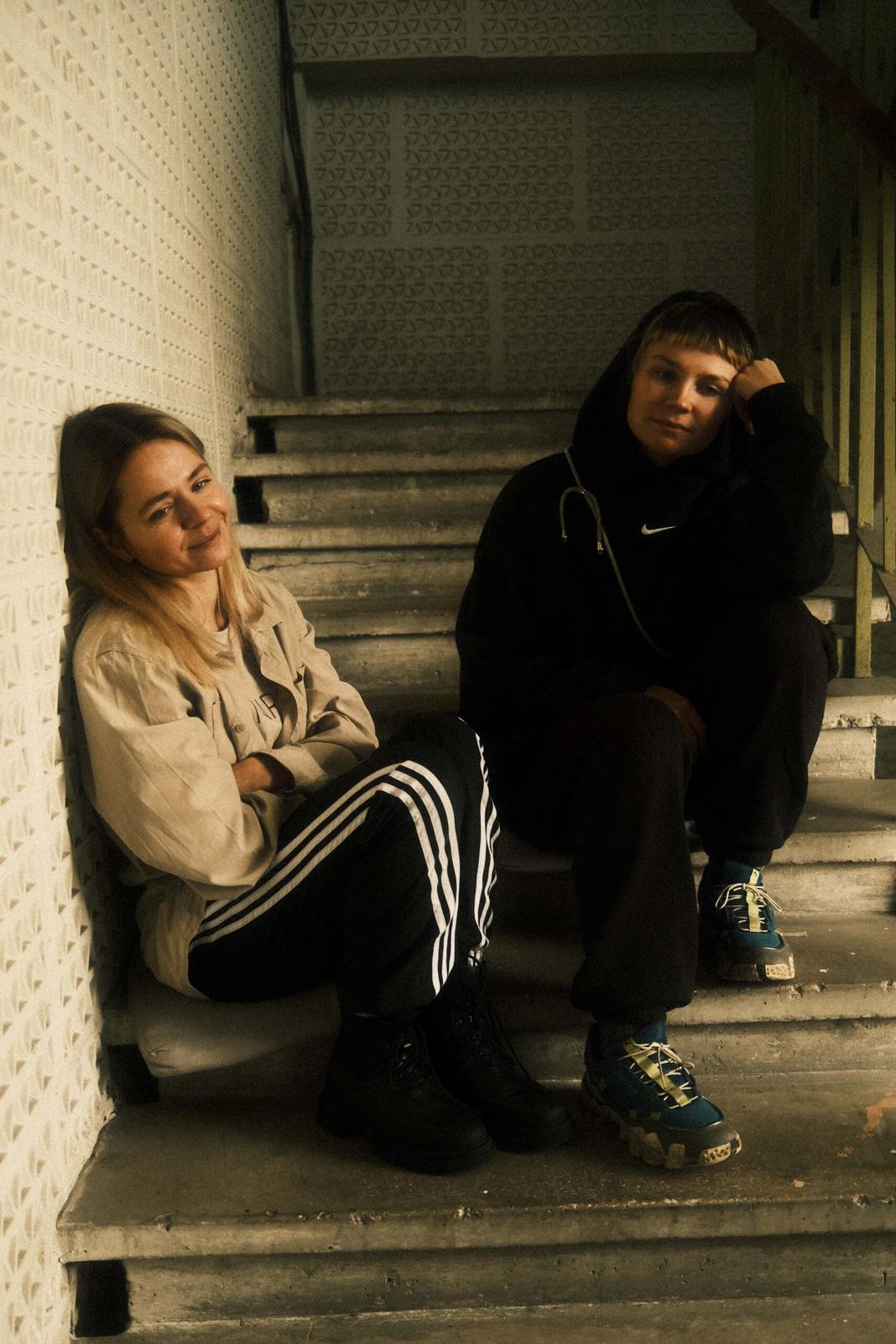
— Hala Pekha: At the time, I was working as a fixer and producer for foreign media that came to Ukraine to cover the war, traveling with them to combat zones. Back then, it was hard for me to imagine returning to my profession. When Yulia started working on the performance, she asked for my help because of our past collaborations. It wasn’t easy for me to agree, but she’s my friend, and I felt I had to support her. That became my way back into the profession.
I also hesitated to join the film because I’m not comfortable on camera; I’ve always preferred being behind the scenes. I love creating things, but I don’t like being the main character. But these guys were so warm and comforting that I agreed. We’re used to having cameras around, but working with them felt different — it was effortless. They became part of us. It was really special.
— Joe, how did you prepare for the filming? Of course, you already had experience documenting wars and conflicts, but traveling to a country facing a full-scale military invasion requires a specific kind of preparation.
— Hill: When we first came to Kyiv, we were filming a documentary for VICE News, which meant we had the support of a large company. Besides me and Stefanie, who was producing the film, the team included two cinematographers, as well as a local driver and producer. But when we returned home after that first trip, VICE went bankrupt. It seemed like the project was completely dead.
But I didn’t want to give up, because I believed the film was important. By then, I had already become friends with the women in the film and gained their trust. So we very quickly became an independent production team. And when we returned to Kyiv, there were only two of us: me and Nate Brown, the director of photography. The New York Times bureau lent us their car for free, and Stefanie let us stay in her apartment in Kyiv. We had to adapt to a completely new production model, but in the end, it was for the better. The process became much more intimate and free, and we were able to make our own creative decisions.
And as for the security situation — yes, we assessed the potential risks and discussed the worst-case scenarios. Ukrainians obviously understand this reality much better than I do. But I did have experience working in war zones, and I understood that unlike our protagonists, we would not be staying in Ukraine for long. So the main thing we focused on was trying to convey the Ukrainian experience as truthfully as possible. Because it mattered deeply to me that our film could, even in a small way, honestly show what you have lived through and what you continue to endure.
— А скільки загалом тривали знімання?
— Гілл: Загалом на весь проєкт пішло майже три роки. А на знімальний процес — дві поїздки до Києва і приблизно 25 днів. Занадто мало, як на мене. Можливо, ми б змогли зробити трохи кращий фільм, якби мали 50 днів.
— And what was the total duration of the shoot?
— Hill: Overall, the entire project spanned nearly three years. As for the actual filming process, it involved two trips to Kyiv and around 25 shooting days. Far too little, in my opinion. Maybe we could have made an even better film if we’d had 50 days.
— Filming dance and capturing movement on screen is not the easiest task for a film crew. How did you handle that?
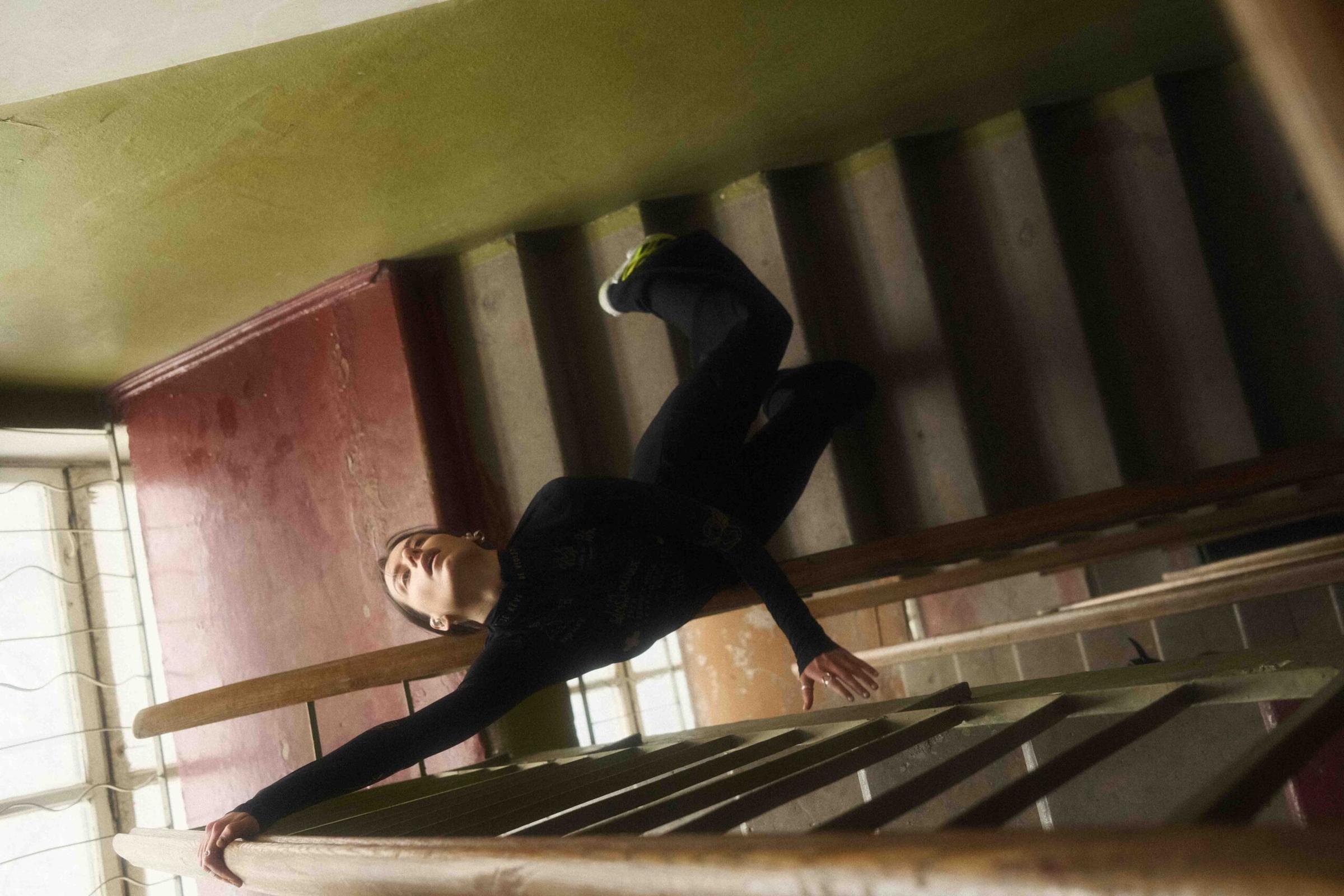
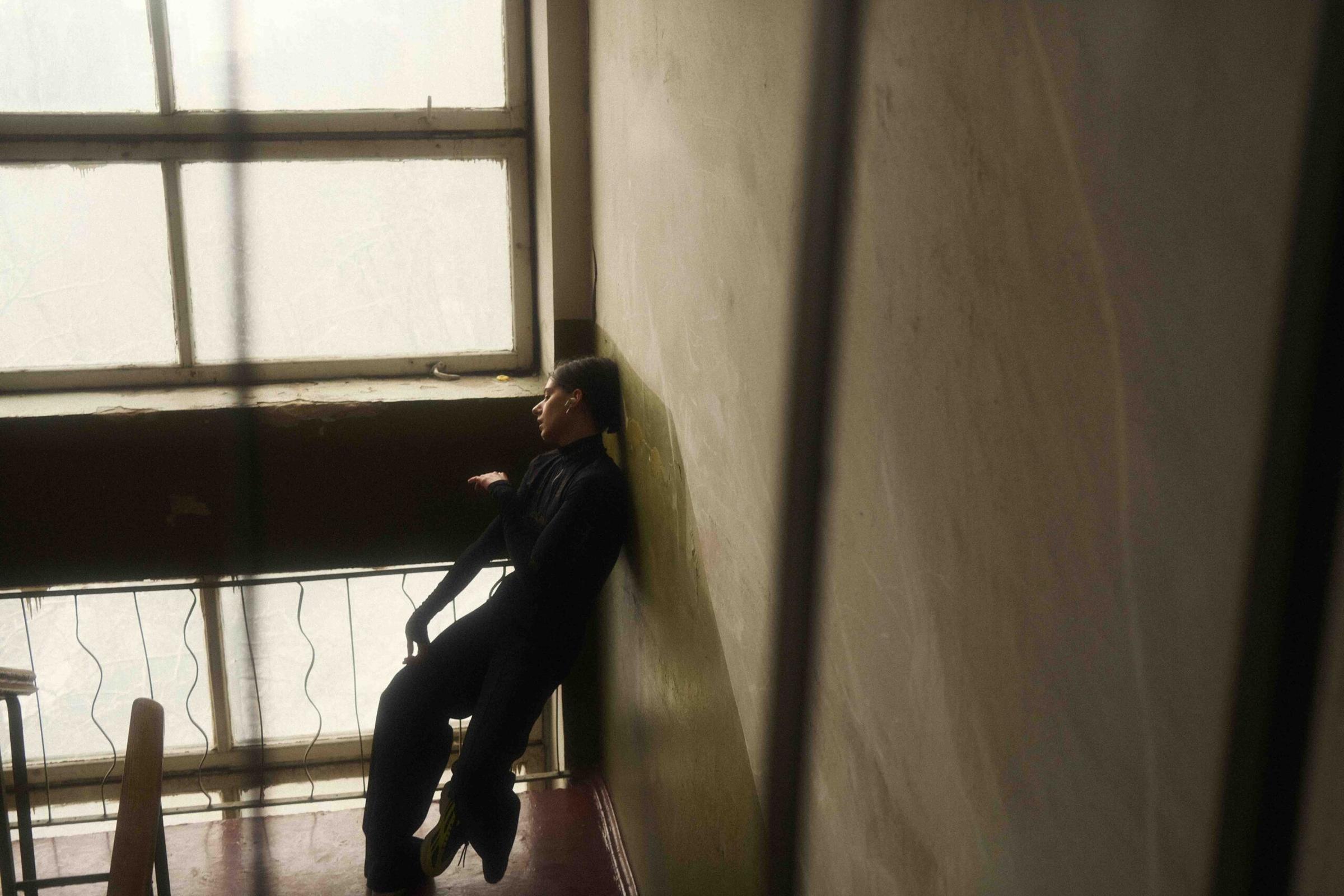
— Hill: Oh, that’s actually my favorite part of the project — a bit of an experiment, really. We realized that this group of women communicates and expresses themselves through movement. So we built the film around dance. It felt almost wrong to put cameras in front of them and demand verbal explanations of what they were experiencing during a full-scale war. That seemed almost absurd. So we wanted to find another way for the women to ‘speak’.
We asked them to express themselves through movement just as they usually do. Each woman chose a place that was meaningful to her, we played music for them, and from time to time we gave them small prompts — asking questions or bringing up topics we had already discussed together. Then the girls would start improvising, and we just captured it on film.
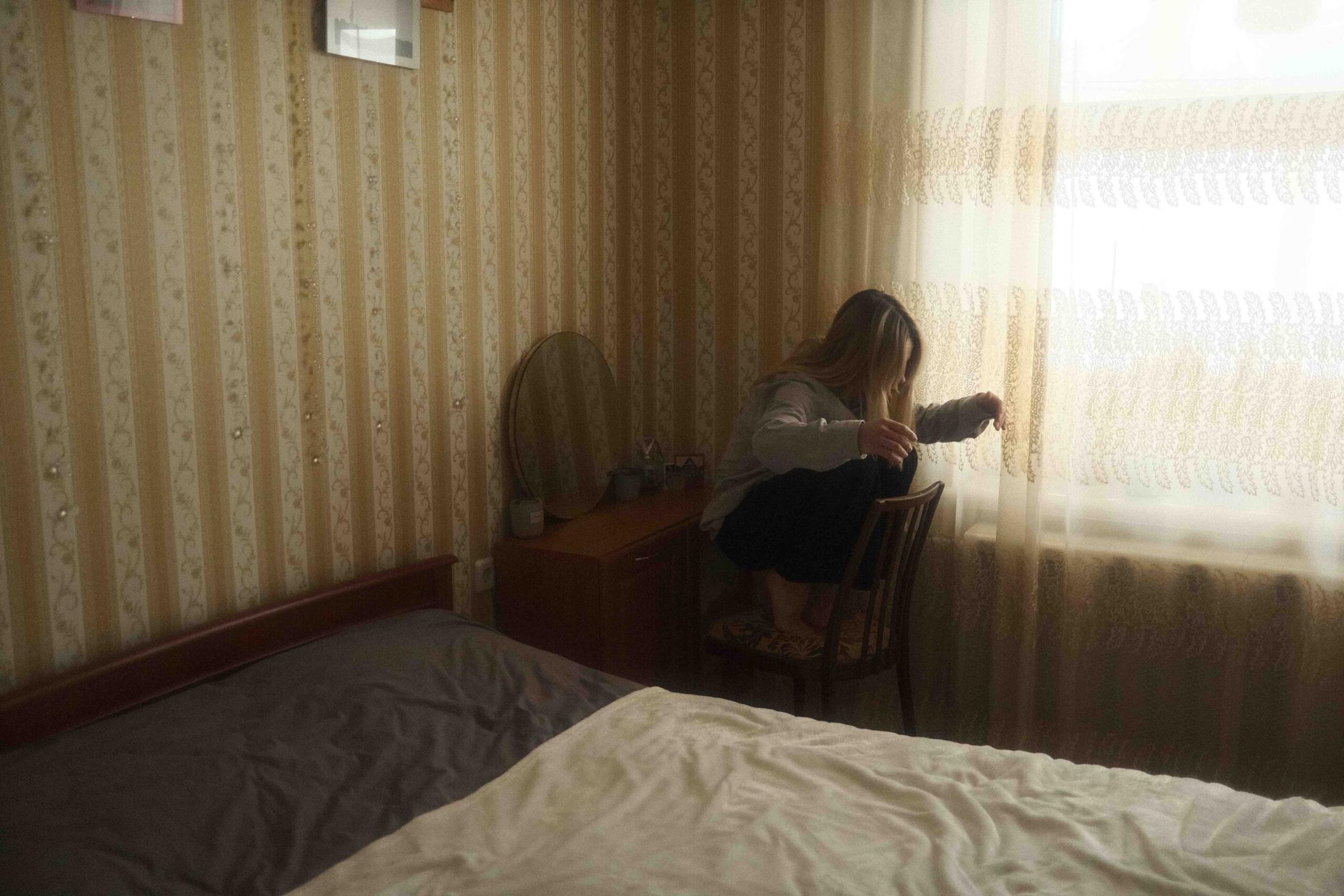
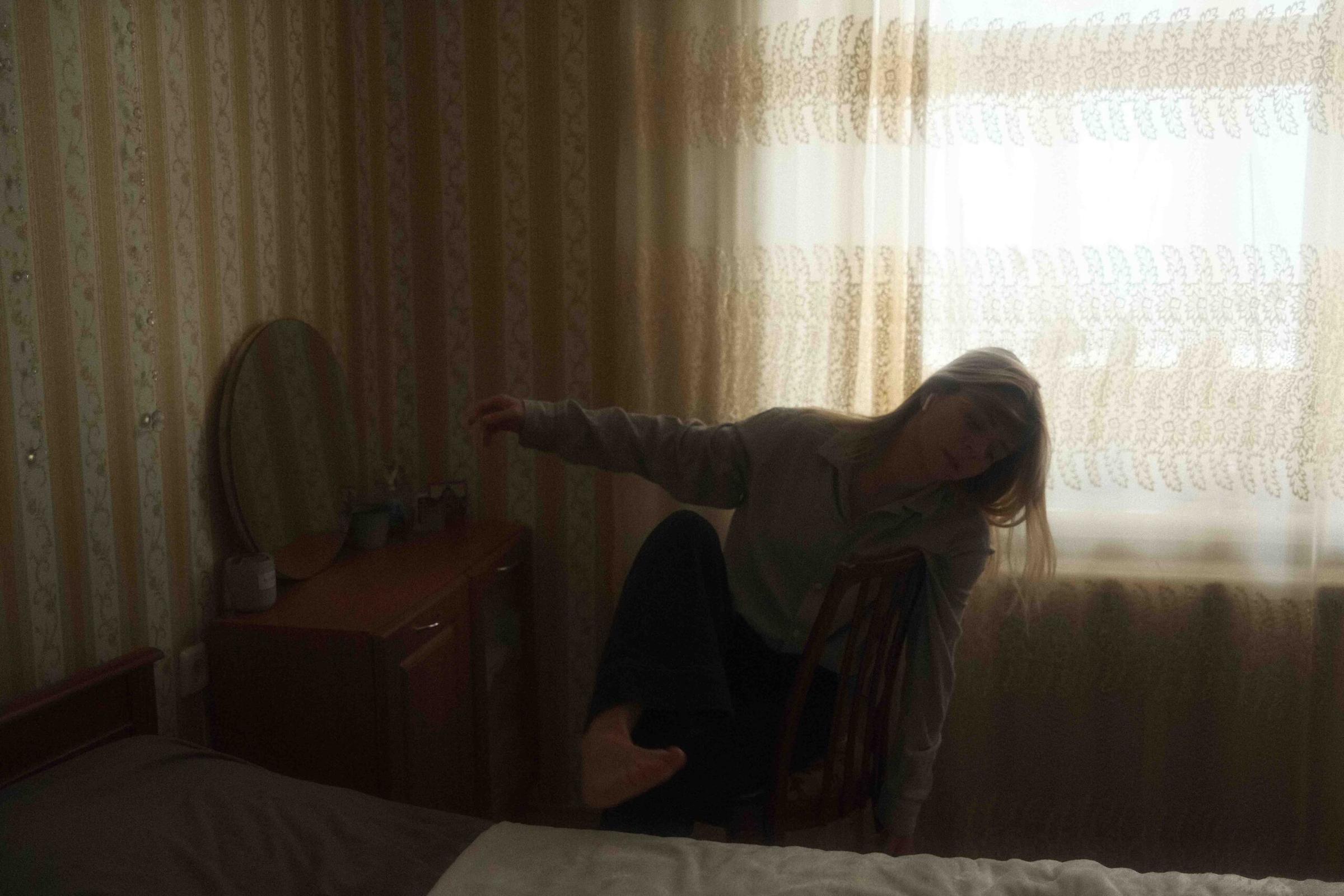
Our film differs from most war documentaries that take viewers straight into the conflict. In ‘Match in a Haystack’, people engage with the world around them by expressing their thoughts and emotions through dance. And I really love that. Because dance is a universal language — one that can be understood anywhere in the world.
— Hala, how did you find working with Joe and Nathaniel?
— Pekha: I was nervous at times, especially when the guys asked me to take them to meet my mom. That is a deeply private part of my life, something I keep to myself. Not even all of my friends know my mother. But Joe and Nate got along with her really well. So yes, there were moments when I felt anxious, but throughout our collaboration I gradually became more open with the guys.
— Hill: At the very beginning, when we arrived in Ukraine, there was almost no guarantee that we would actually be able to make the film. It felt like a decision that was still in the process of being made. And I think that, at first, Yuliia and Hala were still deciding whether they wanted to work with us at all.
But everything worked out, and I especially love that so many viewers found the film very intimate and personal. My friend John, who produced the film and only met all the protagonists of ‘Match in a Haystack’ in person during the film’s Ukrainian premiere in the fall of 2025, also said that he felt as if he had already known them all for a long time.
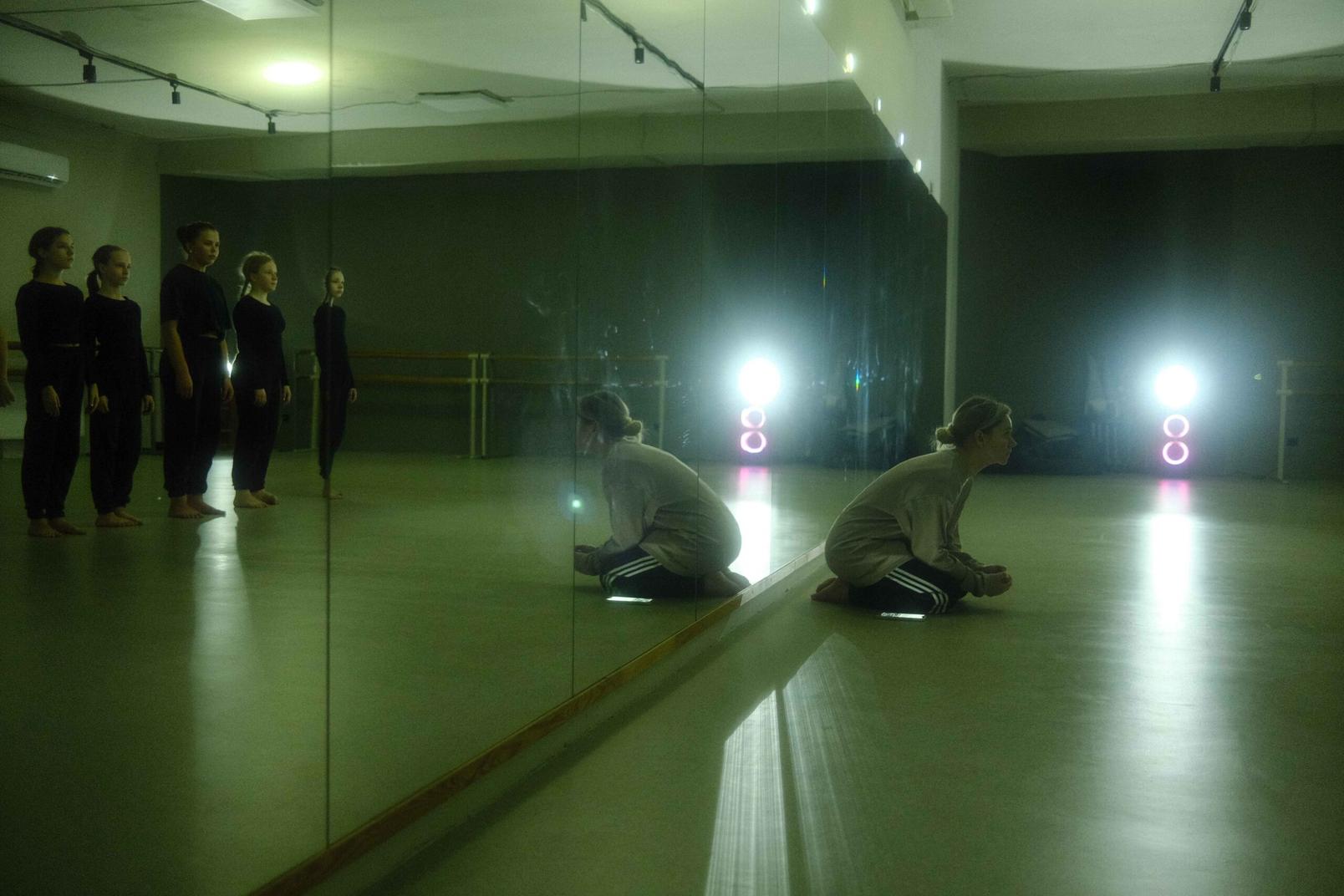
I think that feeling came from the genuine friendships that formed between Nate and me and the women in the film. I don't think the film would feel as intimate if Hala, Yuliia, and the other dancers weren't so closely involved in making ‘Match in a Haystack’.
— What’s the story behind the film's title?
— Hill: In the film, there’s a moment where we cycle through a million titles and can't pick one. And there’s another scene where Yuliia talks about her first rehearsal after the start of Russia’s full-scale invasion. After a long time away from the studio — volunteering, going to the front, and being actively involved in the war — she finally rehearses again. She describes the feeling as a creative spark, ‘like a match in a haystack’, meaning something tiny can start something huge. We loved that image, and it became the title of the film.
— Do you remember the atmosphere of 2023, when you were filming ‘Match in a Haystack’ — the second year of the full-scale invasion, the failed counteroffensive, and the declining attention from international media?
— Pekha: No, I don’t remember. For me, everything since the full-scale invasion has just been one long stretch of a single day. But I remember walking to the studio and filming on the streets, worrying that the police or the military might shut us down because it was still early 2023. That’s the one thing I remember.
— Hill: I recall it as a period of relative calm, and perhaps there was even a sense of disappointment over how much the world's attention on Ukraine had faded. The battles for Bakhmut were still ongoing, but the city had not yet been occupied. I remember Volodymyr Zelenskyi’s powerful speech at the UN. But generally, I agree with Hala to some extent: I also felt that everything had blurred into one long stretch.
— Pekha: And I also remember that at some point during filming, Joe was out of the country. That was when I went to the front line for the last time and visited Chasiv Yar. Around that same time, the defense of the city had begun.
— Do you think films like yours have a better chance of ‘reaching’ international audiences than, for example, Mstyslav Chernov’s ‘2000 Meters to Andriivka’? Because, let’s be honest — regardless of how deeply it offends or irritates Ukrainians — international audiences are exhausted by our war. And they tend to avoid the topic when it’s too direct.
— Hill: I’ve seen Mstyslav’s film, and I was deeply impressed by it — it’s amazing journalism. But I think both films are important in different ways and, in a sense, serve as historical records of this period. Maybe in 20 years, when people reflect on what was happening in Ukraine, they’ll ask themselves: ‘What kind of era was this?’ And I hope they watch both films, because in the end they tell the story of the same war, but through different kinds of conflicts that can emerge within it.
Mstyslav’s film highlights the conflict between two countries and the men who became part of it. As for our film, sometimes I feel that its central conflict isn’t even directly connected to Russia’s invasion of Ukraine. Instead, it’s about something like the permission we give ourselves to keep living or to keep finding meaning in life, even when the world around us is so horrific.
‘Match in a Haystack’ moves away from focusing on destruction and doesn't attempt to build its narrative around pain. It’s about an internal conversation, an inner conflict that, in my opinion, is also deeply relevant during wartime. And perhaps it may resonate with people who aren’t ready to watch Mstyslav’s film, but still want to connect with what is happening in Ukraine.
— Pekha: I also want to add that perhaps our film can reach people who are tired of seeing the raw brutality of this war. I used to work with German journalists, and I remember how weighed down they felt by everything they saw, how desperate they were to just get away from it all. So, there are definitely people exhausted by images of destruction and death, but they might still be touched by a story about an ordinary person living amid war.
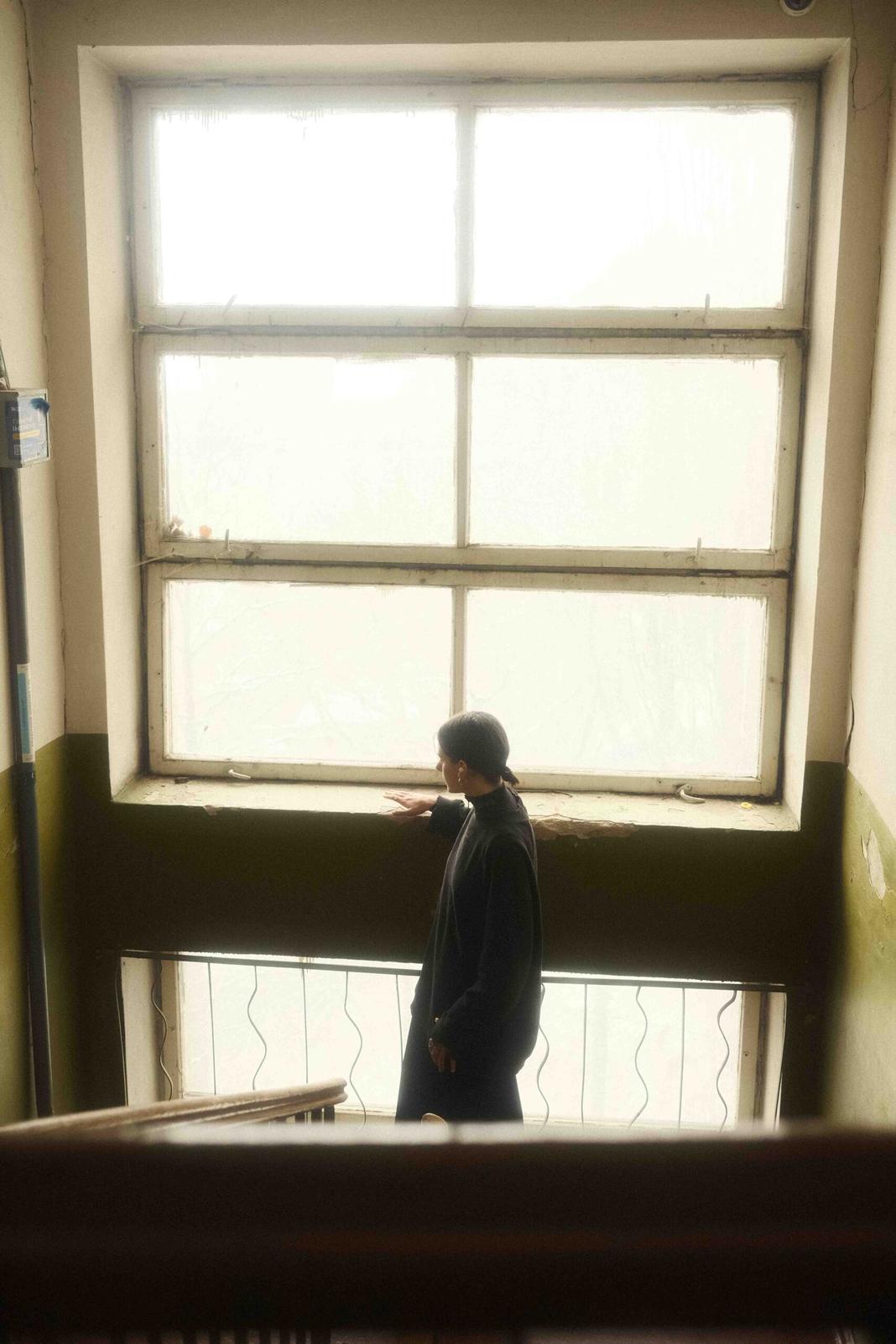
— Hala, how do you find the strength to keep dancing? Because for you, dance is work — it’s your career. It’s not just ‘I go running’ or ‘I dance for my mental health’. On the contrary, it actually drains your resources, especially since you teach as well.
— Pekha: First off, it’s not even close to being as hard as military work — I have to emphasize that. I don't think my job is that tough compared to what our soldiers face. Even so, I always have these inner debates, like Joe said, because I do have questions about my profession. But I decided that teaching and sharing what I know helps me achieve my goals, live a full, bright professional life, and not complain about dancing all the time. I just decided to stop complaining because I got tired of it. Yes, it’s hard to create during war. But if you understand why you’re doing it, it becomes easier.
— Joe, who did you primarily imagine as the audience for ‘Match in a Haystack’ — Ukrainians or international viewers?
— Hill: Maybe this will sound foolish, but it’s the most honest answer I can give: sometimes I feel like I made this film more for myself than for anyone else. As a journalist, I’ve witnessed some of the worst things happening on Earth. So at times, the world feels incredibly hopeless and overwhelming to me. I honestly doubt if anything I’ve done has ever mattered. Okay, I make another movie — and then what? Who cares? What’s the point?
But then I met this group of dancers in Ukraine who were living through truly terrible circumstances and still wanted to create something. And I needed to know that such a thing was still possible — to go through that act of creation together with them. It mattered to me to understand that people can still hold on to a sense of purpose. It inspired me to make a whole film. And I hope that, as a result, people abroad will continue thinking about Ukraine, continue focusing on it, and continue seeing themselves reflected in it.
I also hope Ukrainians who see this film will remember that despite everything in recent years, culture lives on in Ukraine, and people still hold onto it. I truly believe that this cultural spirit has not disappeared and has not been erased. And it matters deeply to me that other people will be able to see that through ‘Match in a Haystack’.
— Do both of you still believe in the power of art, its ability to change people for the better or make them think?
— Pekha: That’s the hardest question. I ask myself that all the time, and all I know is that art can raise important questions — and that's its power. But then your work begins, as a reader, listener, or viewer: to process those questions and try to answer them.
— Hill: Sometimes I don’t believe that our work will really have any long-term impact. It’s a kind of feeling of hopelessness. And then there are moments when my work gives me a real sense of release — an understanding that I’m doing something that gives my life meaning. And that the things that matter to me do not contradict or negate what matters to other people. I want people to be able to do the things that bring them joy or fulfillment.
There’s a line in the film that Yuliia says which I find truly beautiful. We asked her: ‘How do you know that this performance is worth staging? How do you know that what you’re doing has meaning?’ She stayed silent for about five minutes, as if she had no idea how to answer. And then she said: ‘How do I know if it has meaning? How do we know that we love someone?’ So maybe the need for art is similar to the need for food and water. It’s something that helps us stay alive.
/1456x1040/filters:format(webp)/p/0/0a/5d47c9b98d8f6ce0cd34cbb8334170a0.webp "mayerchyk book dtf magazine")
/1456x1040/filters:format(webp)/p/9/fd/b6626ac24cb765dc5ccdca0278cc6fd9.webp "sportyvna-reabilitatsiia-viiskovykh-cover-dtf-magazine")
/1456x1040/filters:format(webp)/p/5/b2/ca1ff0e00555856d7bf281080fd06b25.webp "ukrainian-fashion-week-2026-dtf-magazine")
/1456x1040/filters:format(webp)/p/1/d6/3c06840c416389780da944c432e5ed61.webp "monkey-fusion-cover-dtf-magazine")
/1456x1040/filters:format(webp)/p/8/f1/2d4d56767cf7bc6cb6c284cedd02cf18.webp "museum-of-ww3-artefacts-cover-dtf-magazine")
/1456x1040/filters:format(webp)/p/3/36/116dd408399c0cb26d10d6398e701363.webp "memento odesa interview dtf magazine")
/1456x1040/filters:format(webp)/p/b/62/088b594e785ad09bfd0344d9f723762b.webp "cover-dtf-magazine (58)")