





/2880x/filters:format(webp)/p/3/36/116dd408399c0cb26d10d6398e701363.webp "memento odesa interview dtf magazine")
MEMENTO ODESA returns to Kyiv — a project featuring music by German composer, trumpeter, and pianist Sebastian Studnitzky, performed and recorded by the Odesa Chamber Philharmonic Orchestra. The project was born in the summer of 2023, when Ukrainian producer, singer, and creative director of Berlin's XJAZZ! Festival Anastasiia Pokaz invited Studnitzky to record his music together with the Odesa Philharmonic Orchestra.
MEMENTO ODESA combines classical orchestral music with jazz: the orchestra plays from a score, while Studnitzky, the drummer, and the bassist have separate sections of the compositions for improvisation.
Ahead of the Kyiv concert on August 28, in a Q&A with DTF Magazine, Anastasiia Pokaz talks about how she first met Studnitzky, working on MEMENTO ODESA, and the project’s first concert at the Odesa Philharmonic
More about the project
— Why did you decide to explore the intersection of jazz and neoclassical music?
— I have always been a jazz singer — it is my natural element, where I feel like myself. Neoclassical music came into my life thanks to Sebastian. His music had been written before we met, but when the idea of recording with an orchestra came up, I suggested going to Odesa and recording with the Odesa Chamber Philharmonic Orchestra.
He agreed without hesitation, and there was so much openness in that decision, such a genuine desire to get to know the country, the musicians, and the people. Not just to record the music, but to engage with the context.
It really surprised me and won me over. That was when this genre appeared in my life — neoclassical music at the intersection of jazz. And I have to say, singing with an orchestra is something truly out of this world. The scale and depth of the sound are unlike anything else. It makes me genuinely happy.
— Tell us more about your collaboration with Sebastian. How did your partnership come about?
— When the full-scale war began, I was invited to a jazz conference in Barcelona as a Ukrainian jazz producer and cultural curator. I spoke about Ukraine, the full-scale invasion, and how important it was to engage the jazz community in supporting Ukrainian artists. After my speech, Sebastian approached me. He recognized me — a few years earlier, before the COVID-19 pandemic, we had talked about bringing XJAZZ! to Odesa.
But first came COVID, and then the war, so the idea remained unrealized. But we met again — at the most dramatic moment of my life, after I had left Ukraine.
Sebastian became more than just a professional partner to me. He became a close person, a friend, part of my family. Almost all the projects I work on now, I do together with him. He’s an incredible person, a true artist. I love people like that.
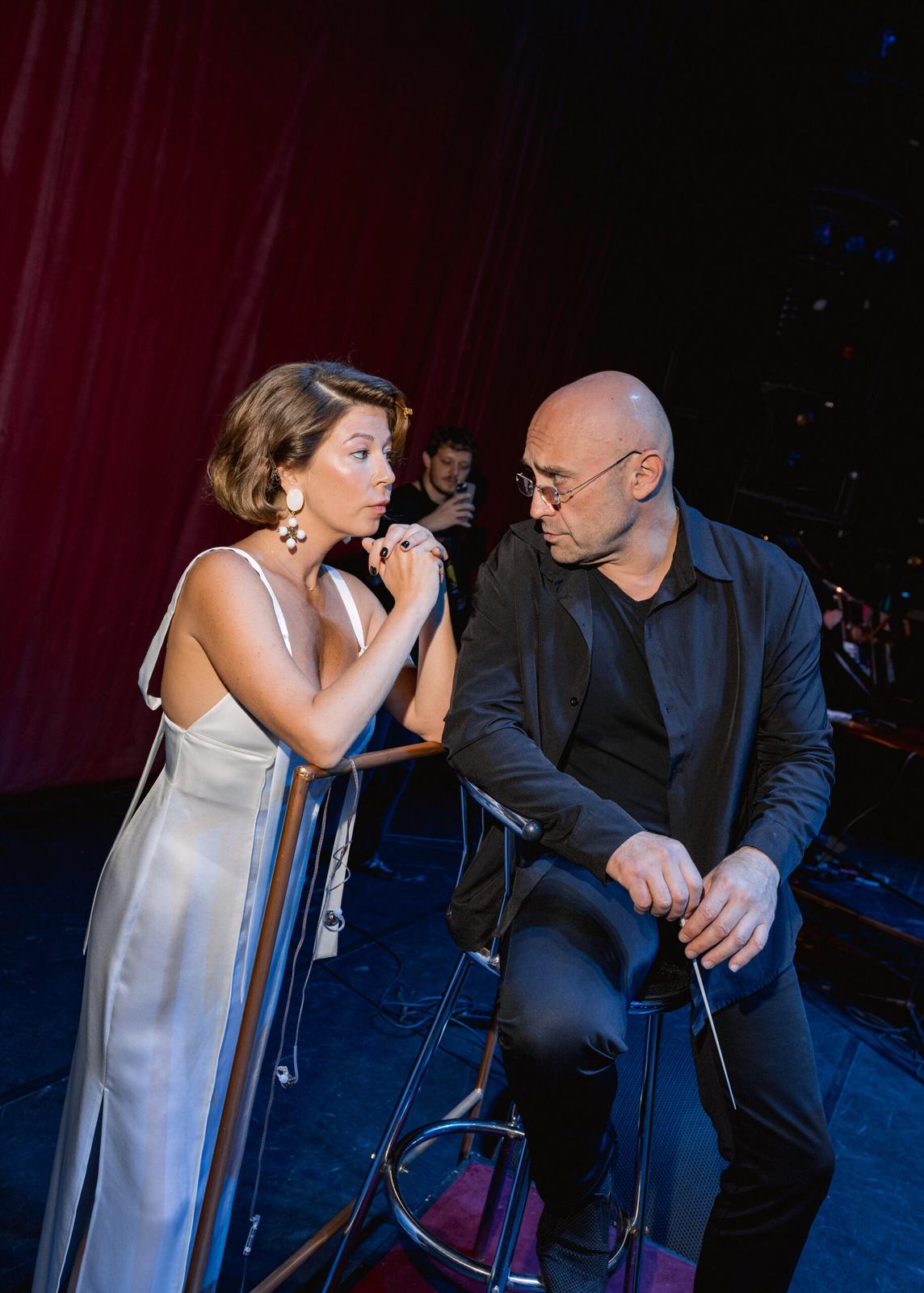
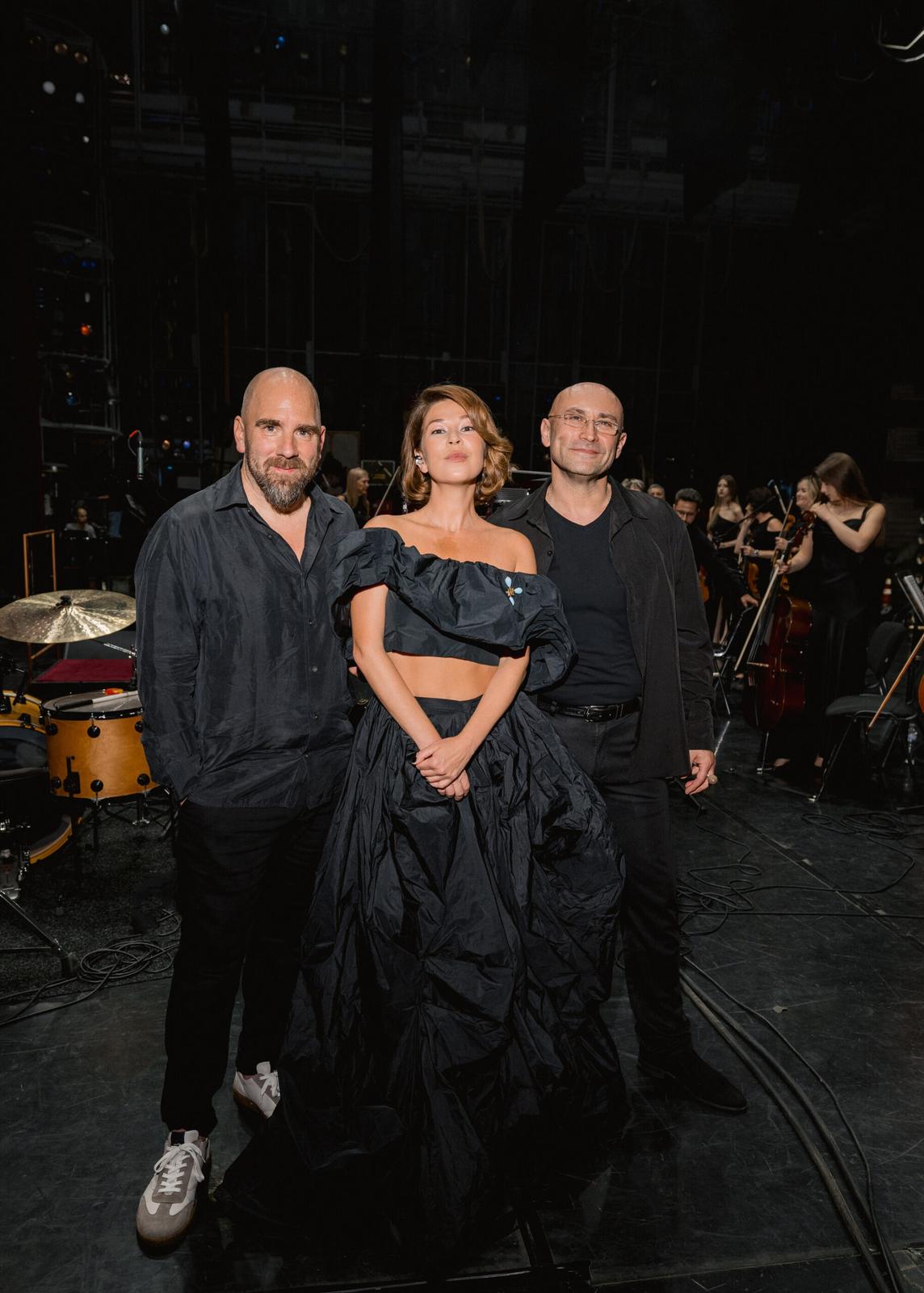
— Why is the project called MEMENTO ODESA? And how would you describe its concept as a show?
— At first, the project was called Memento. But after we recorded the music with the Odesa Chamber Philharmonic Orchestra, it became Memento Odesa. The music was released, received a strong response from audiences, and Sebastian organized a European tour — starting with cities in Germany. The name became permanent because it had become inseparable from the essence of the project.
Memento Odesa means ‘remember Odesa’. It’s about always staying connected to the context, not forgetting. Plus, the musicians on stage are incredibly virtuosic orchestral players representing Odesa. And this music, in the form it exists in today, was born there. You can’t separate one from the other.
— What should listeners know about your project?
— First and foremost, it’s a charity project. It has not only a cultural but also a humanitarian mission: 100% of the proceeds from concerts in Ukraine will be donated to the Nebaiduzhyi Odesyt foundation, with which we have been cooperating for four years.
Memento Odesa does not exist separately from the context of Russia’s full-scale invasion of Ukraine and the ongoing war. It brings this context to European audiences, raises funds, and promotes an important idea: art cannot be separated from the social and political realities of the world.
About the music of MEMENTO ODESA
— How would you describe the mood of the music? What did you want to reflect in it?
— This music is a journey. It’s personal for everyone, but there’s also a sense of collective consciousness. I’m sure that everyone in the audience experiences their own stories, but they all exist within the same shared context.
The mood is difficult to describe in a single word because it’s a dramaturgical journey that develops and evolves from the beginning to the end of the concert. But, in short, it’s about each person’s individual experiences and what unites us all.
— What does the orchestra bring to the sound of your and Sebastian's music?
— It’s difficult to say what the orchestra ‘brings’ because this music was written for an orchestra from the very beginning. Sebastian, the rhythm section, and I are one ensemble where there are no separate sounds. It’s one big living sound. The orchestra is neither accompaniment nor background. It’s the heart of everything.
— What distinguishes jazz improvisation fused with neoclassicism from its combination with other genres?
— Jazz is a very free musical form. Yes, it has its own rules, but jazz is capable of blending organically with any kind of music. Because it’s an art of negotiation.
And well-prepared improvisation performed with an orchestra is that very agreement between the musicians on stage, which at the same time sounds completely free and cohesive. Just like with any other genre.
The first presentation and future plans
— Tell us where exactly you have already presented MEMENTO ODESA. Which concert became the most memorable?
— The most important and memorable was the first concert at the Odesa Philharmonic in 2023. The night before, there had been a terrible attack: Russian terrorists struck a residential building. We were thinking of canceling the concert. But at the audience's request, we went ahead and held it anyway.
It was probably the most emotional moment of my life. Everyone in the audience was crying — but these weren’t tears of despair. It was the experience of collective trauma through a sense of hope. Through a sense of light.
After the concert, we all realized that for those two hours, everyone had been able to disconnect from the horrors of everyday life. It was impossible to put into words.
— What emotions do you personally experience when performing with MEMENTO ODESA?
— Very different ones. I cry. I laugh. I experience every single note sounding at the concert with every cell of my body. And, honestly, I’ve listened to this concert dozens, maybe even a hundred times, and I’ve never gotten tired of it. Because every time, it resonates with my inner state. I experience it differently each time. But one thing never changes — I feel alive.
— Do you plan to continue the project? In what format?
— Sure. For the fourth year in a row, we’re doing a major German tour in the autumn — 24 concerts this time.
Next year, we plan to expand geographically and introduce new material. We’re constantly bringing in new partners, interesting brands are joining us, and we’re expanding our communications. The project is gaining momentum and social connections — and that won't let it stop.
And there’s one more big ambition: to hold the XJAZZ! Festival in Ukraine. It’s no longer just an idea — it’s already in development. So stay tuned for an international jazz festival across Ukraine.
The concert will take place on August 28 at 6:00 PM at the Kyiv National Academic Operetta Theatre. You can buy tickets via the link.
/1456x1040/filters:format(webp)/p/b/62/088b594e785ad09bfd0344d9f723762b.webp "cover-dtf-magazine (58)")
/1456x1040/filters:format(webp)/p/1/37/dfd743698ee9072473e61b00ed8a2371.webp "match in a haystack dtf magazine")
/1456x1040/filters:format(webp)/p/4/c8/a402eb1bb39f7837d9007cf473b84c84.webp "kaspiann-cover-dtf-magazine")
/1456x1040/filters:format(webp)/p/3/df/5723eceff386fc9e5db1b230e9c82df3.webp "ratner-cover-dtf-magazine")
/1456x1040/filters:format(webp)/p/0/0a/5d47c9b98d8f6ce0cd34cbb8334170a0.webp "mayerchyk book dtf magazine")
/1456x1040/filters:format(webp)/p/9/fd/b6626ac24cb765dc5ccdca0278cc6fd9.webp "sportyvna-reabilitatsiia-viiskovykh-cover-dtf-magazine")
/1456x1040/filters:format(webp)/p/5/b2/ca1ff0e00555856d7bf281080fd06b25.webp "ukrainian-fashion-week-2026-dtf-magazine")