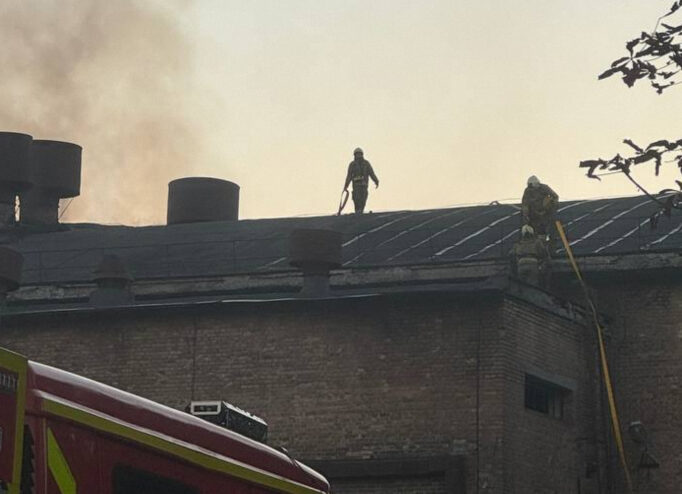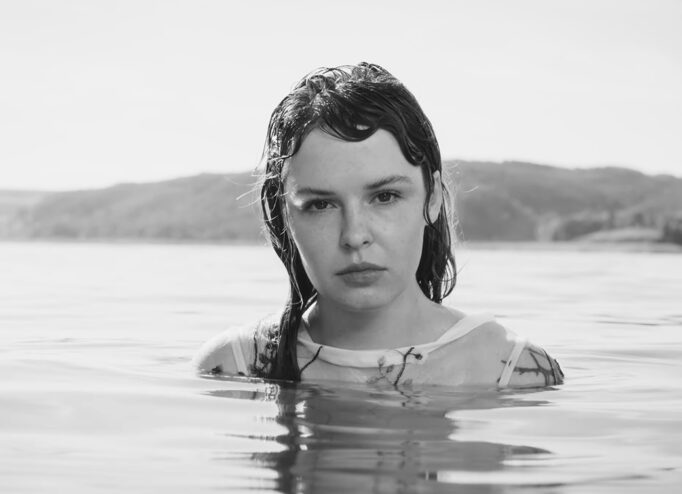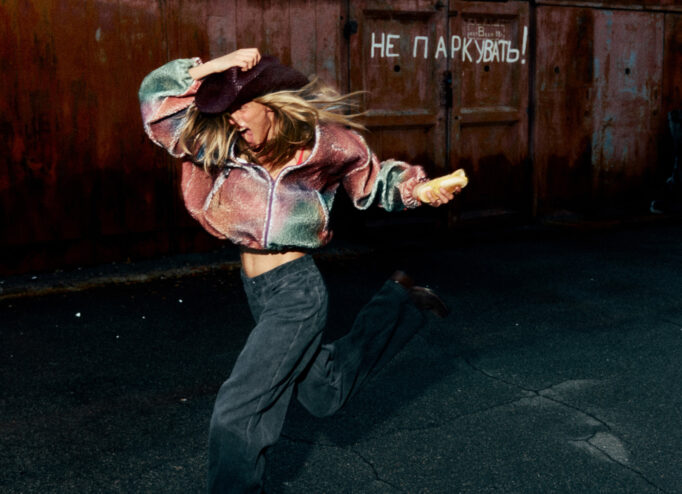






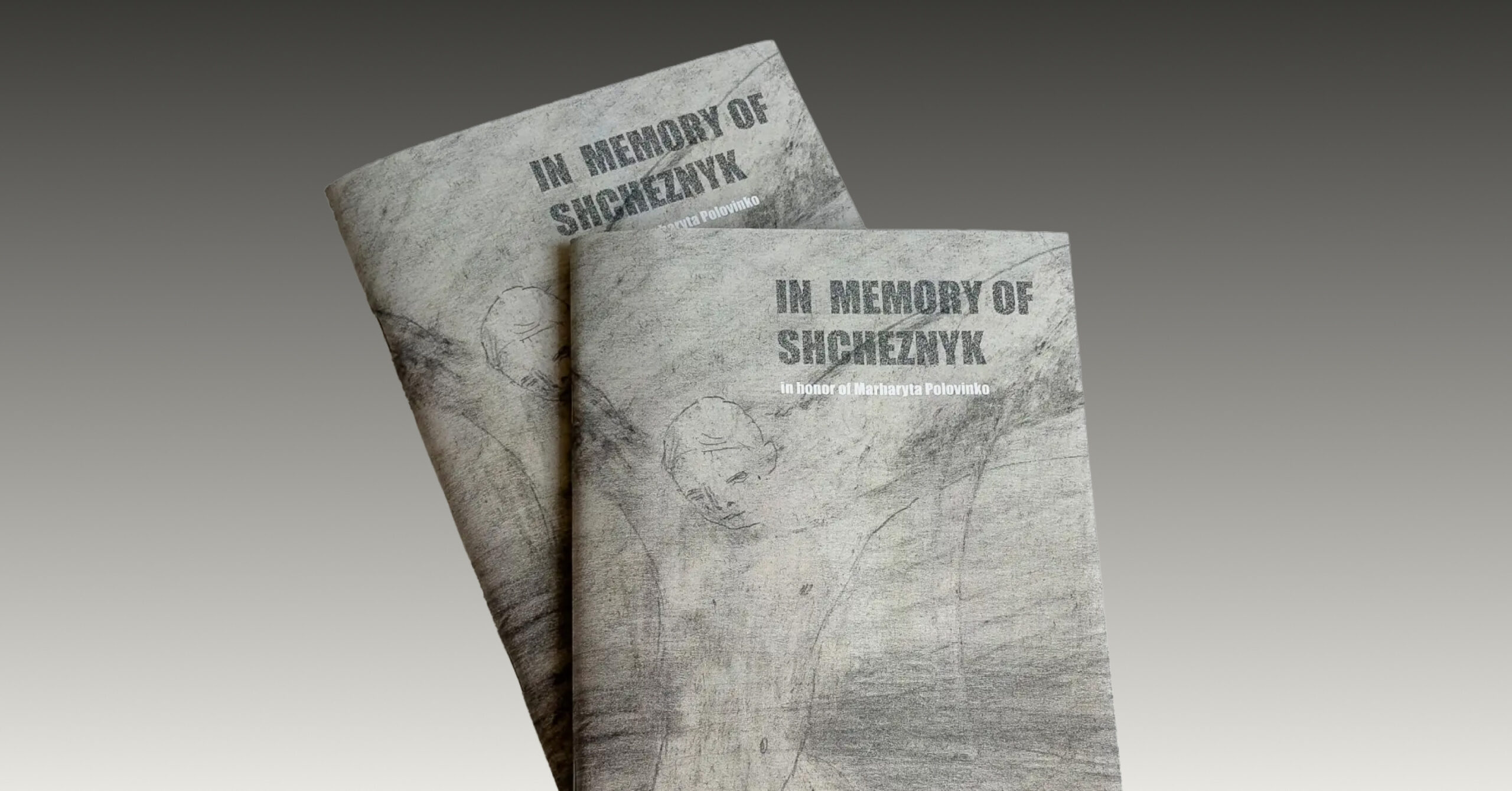
The zine ‘In the Memory of Shcheznyk’ thematically continues the eponymous exhibition of works by Ukrainian artist, volunteer and service member Marharyta Polovinko. She was killed on the front line in April 2025 while carrying out a combat mission.
During her lifetime, the artist explored themes of presence and absence, loss and memory, with the mythological figure of the shcheznyk — ‘a vanishing creature’ — at the center of her work. DTF Magazine spoke with the exhibition’s curator and co-author of the zine, Alia Siehal, and takes a closer look at the ‘In the Memory of Shcheznyk’ publication
About the concept
According to Alia Siehal, the idea for the zine emerged during preparations for an exhibition held at Vienna’s arka arka gallery in April 2026. The exhibition itself was driven by the need to ‘continue the conversation around the themes that Marharyta explored in her work during her lifetime’.
In Marharyta’s work, the mythological figure of the shcheznyk was a way of telling stories about people ‘on the edges of visibility’, namely ‘those who go unnoticed and gradually fade from attention and memory’. Since the beginning of Russia’s full-scale invasion, this metaphor took on a literal meaning tied to violent loss.
Gathering material for the exposition, the curator worked with Marharyta’s close ones so that through their works they would continue the main concept of her art.
‘It was important for us not to try to sum up her practice or create a complete portrait of the artist, but to continue the conversation interrupted by her death’, Alia explains.
As part of the work on the exhibition, Siehal interviewed three Ukrainian artists: Dasha Chechushkova, Illia Todurkin and Mark Chehodaiev.
According to Siehal, the interviews ‘provided important context for the works and told the story of Marharyta through specific shared experiences’. However, she understood that much of these conversations could not be reproduced in the exhibition space. This led to the idea of extending the exhibition and its central concept in the physical format of a zine.
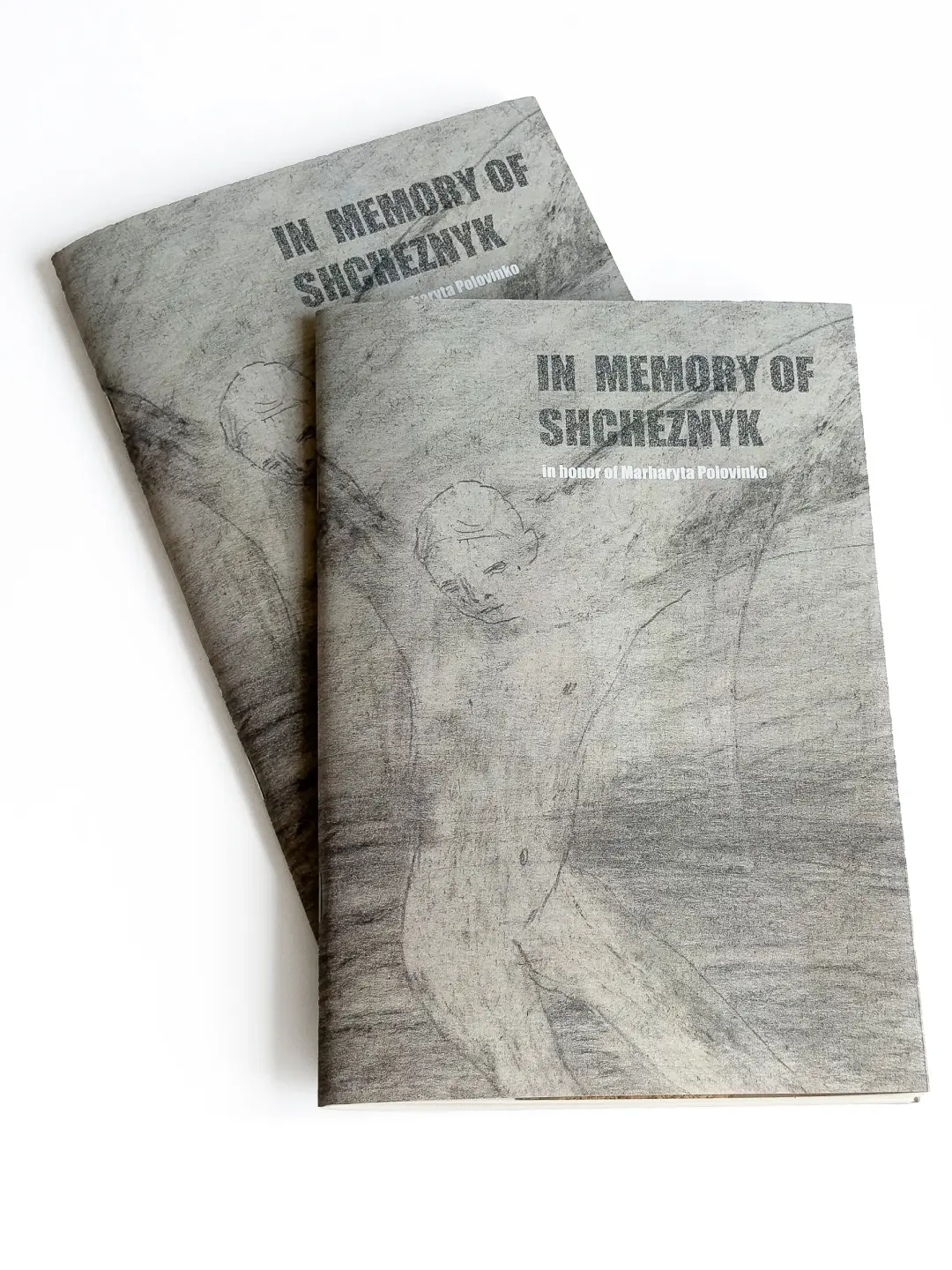
‘It was important to me to realize this specifically as a zine rather than a traditional exhibition catalogue, — Alia says. — This format is much closer to Marharyta’s own environment and way of working — self-publishing, small print runs, and things passed from hand to hand’.
About the zine’s content
The visual component of ‘In the Memory of Shcheznyk’ is formed by works of Polovinko and her loved ones, shots of the artworks from the exhibition itself, and archival materials from her life.
The latter include photographs documenting the artist’s life with friends and colleagues, her creative process, and their meetings.
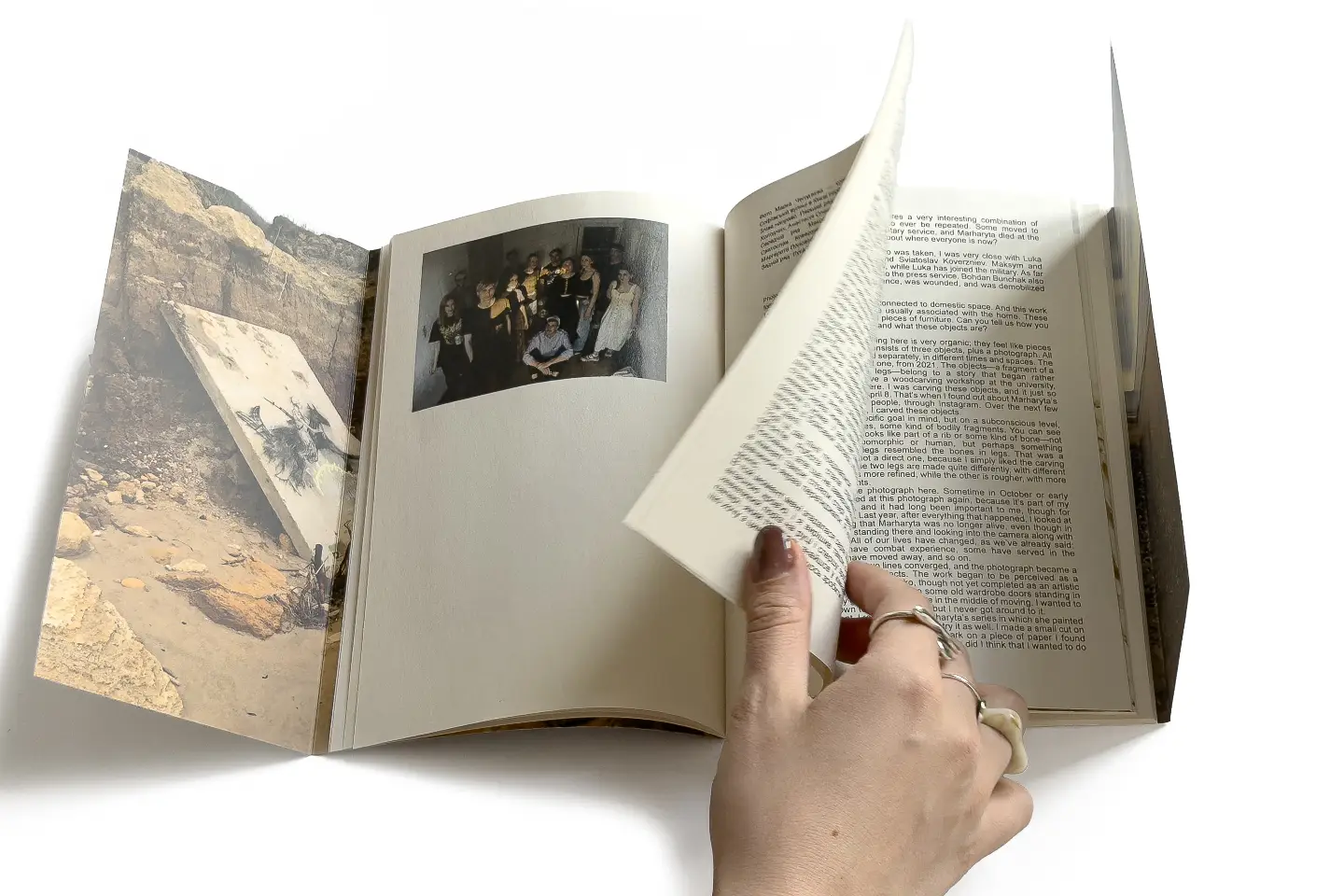
‘These are materials that, before her death, might not have been perceived as something that needed to be archived at all, — Alia says. — For example, the zine includes photographs of Marharyta and Illia [Todurkin] drawing together, as well as a photograph from Mark [Chehodaiev]’s apartment on Sofiivska Street in 2021, where their circle of friends had gathered at the time. Today, the photograph has taken on a very different meaning: some of the people in the photo have moved abroad, some have joined the military, and Marharyta was killed on the front line’.
The interviews with artists Dasha Chechushkova, Illia Todurkin and Mark Chehodaiev also became part of the zine. Describing their significance, Siehal says:
‘In my conversation with Illia, their practice of drawing together became important. It was never conceived as an ‘artistic method’ but was just part of their friendship and the time they spent together. In my conversation with Dasha, it was the story of Marharyta as a mermaid — an image that was initially a sketch for a glass painting and, after her death, was recreated in chalk on a concrete slab by the sea. With Mark, it was his personal archive, including that group photograph from 2021’.
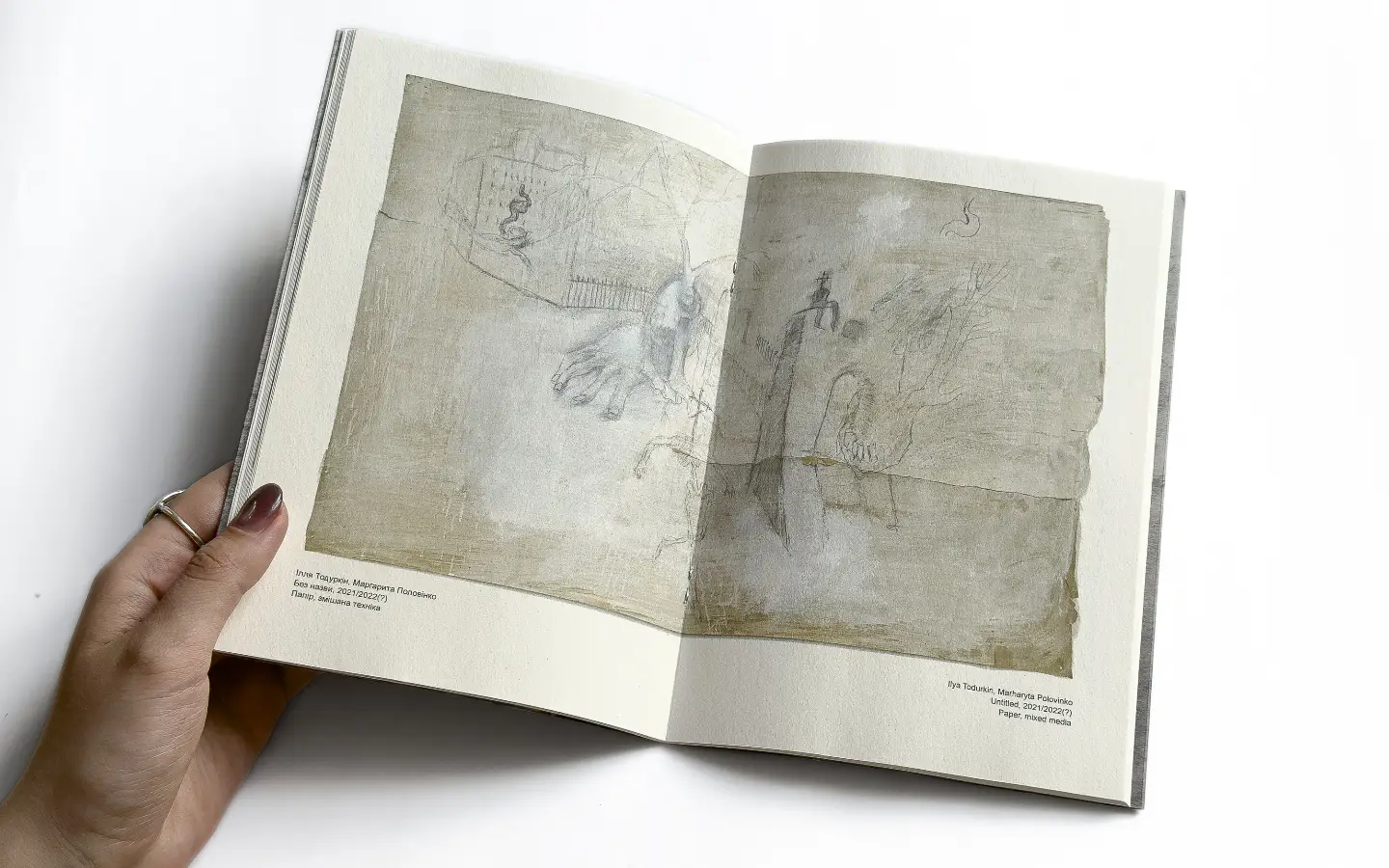
For the publication, Alia Siehal also wrote her own curatorial text. In it, the art historian explores ‘the boundary between disappearance and visibility, loss and the necessity to remember’.
She began it with an interpretation of the concept of the shcheznyk and continued with an idea that Marharyta herself had formulated in a text for the online platform Secondary Archive: ‘War, while killing people, at the same time seemingly ‘highlights’ them and makes them visible to the collective gaze’.
Summing up the contents of the publication, Alia emphasizes that the authors deliberately did not want to turn the zine into ‘a representative catalogue of Marharyta’s work or try to include ‘everything important’ in it’.
‘This could easily create an illusion of completeness around her legacy, when in fact the work of engaging with it is only beginning’, the curator says.
You can purchase the zine ‘In the Memory of Shcheznyk’ with a donation toward activities related to Marharyta Polovinko’s artistic legacy. You can fill out the order form here.
More about the ‘In the Memory of Shcheznyk’ exhibition
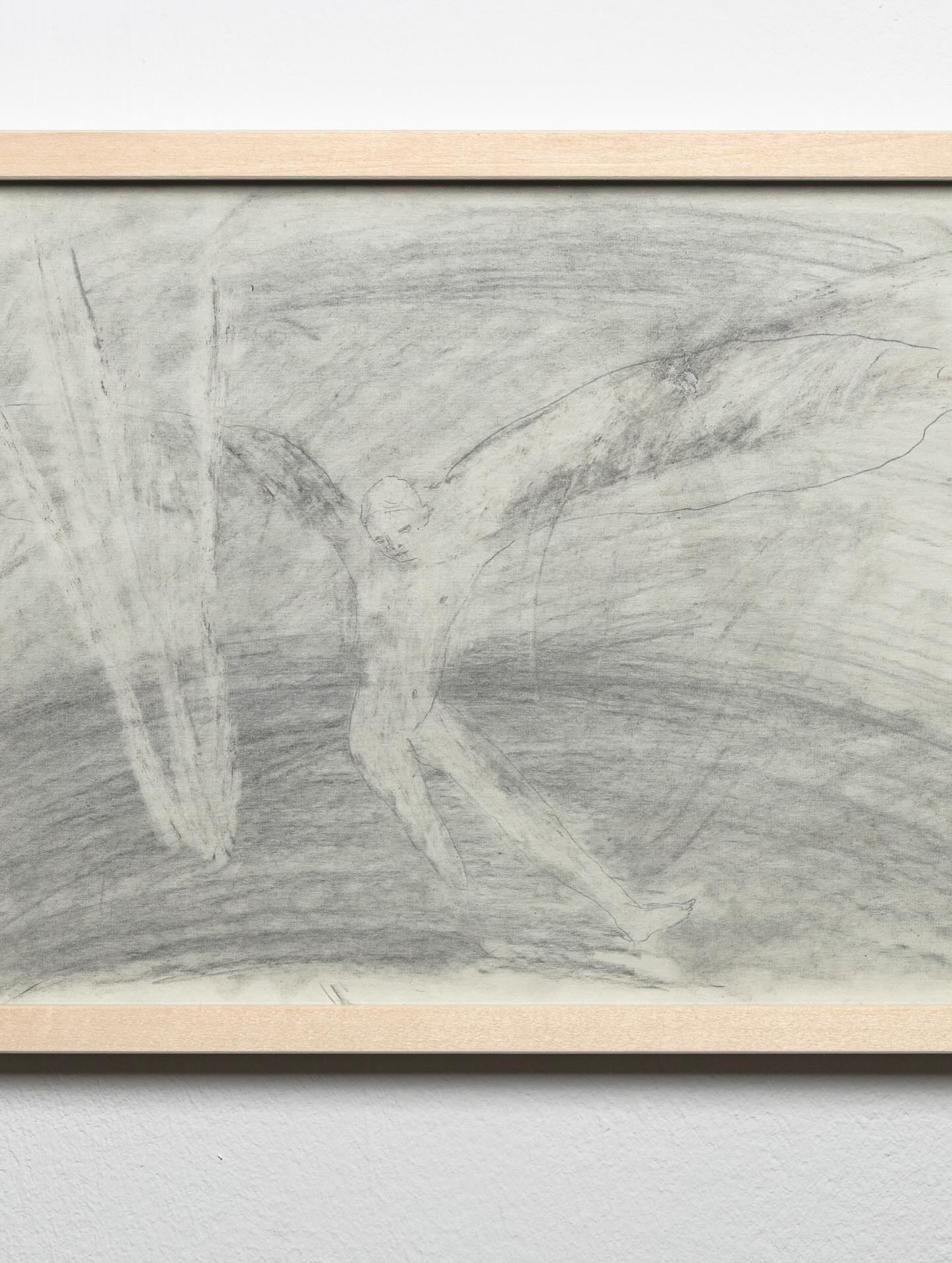
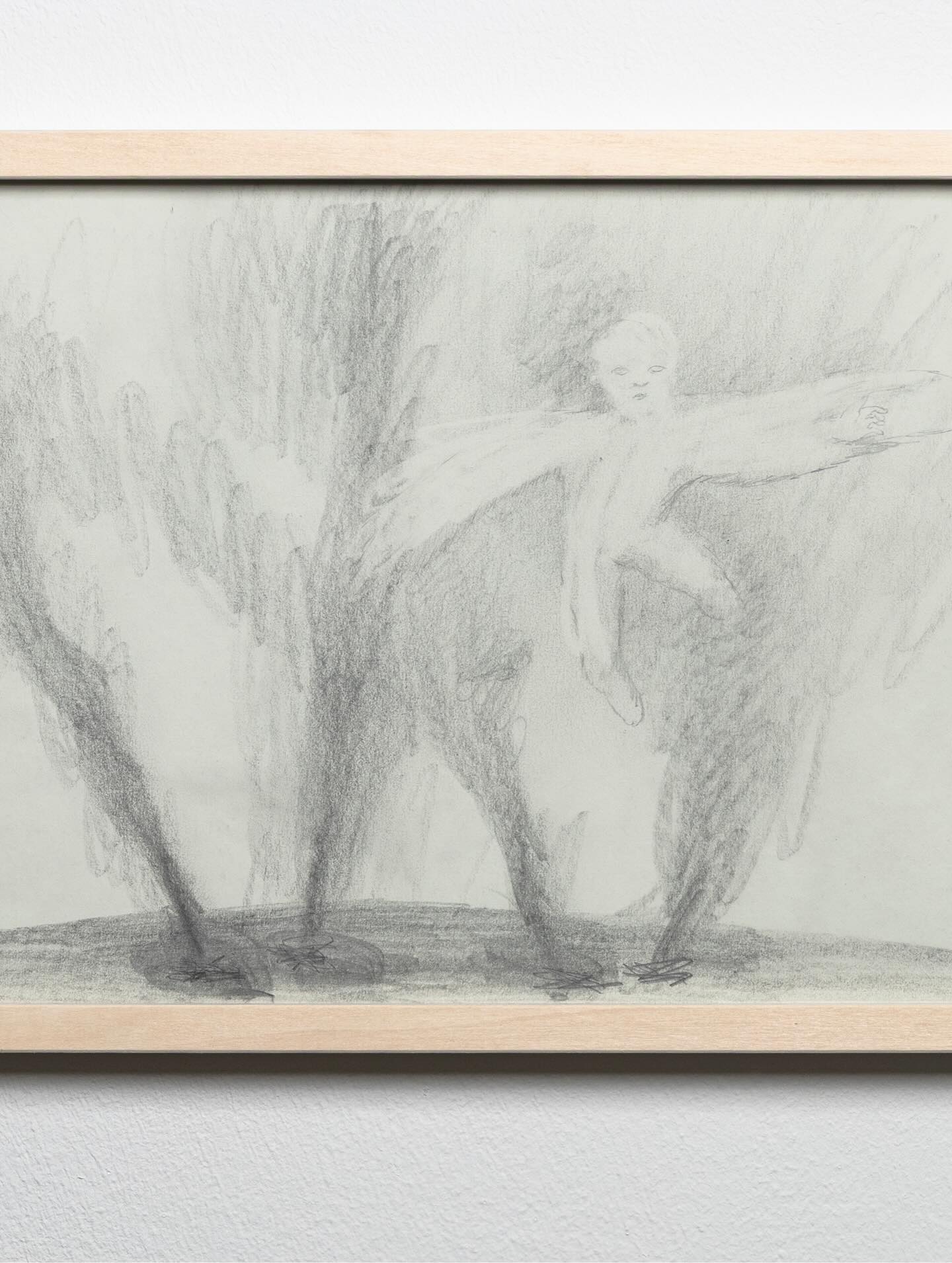
The exhibition, held at Vienna’s arka arka gallery from April 3 to 14, 2026, featured works by Marharyta Polovinko, as well as her friends and loved ones. Among the artist’s works on display were four paintings from the ‘Yanholy 502’ series, dedicated to children who were killed as a result of Russia’s full-scale invasion.
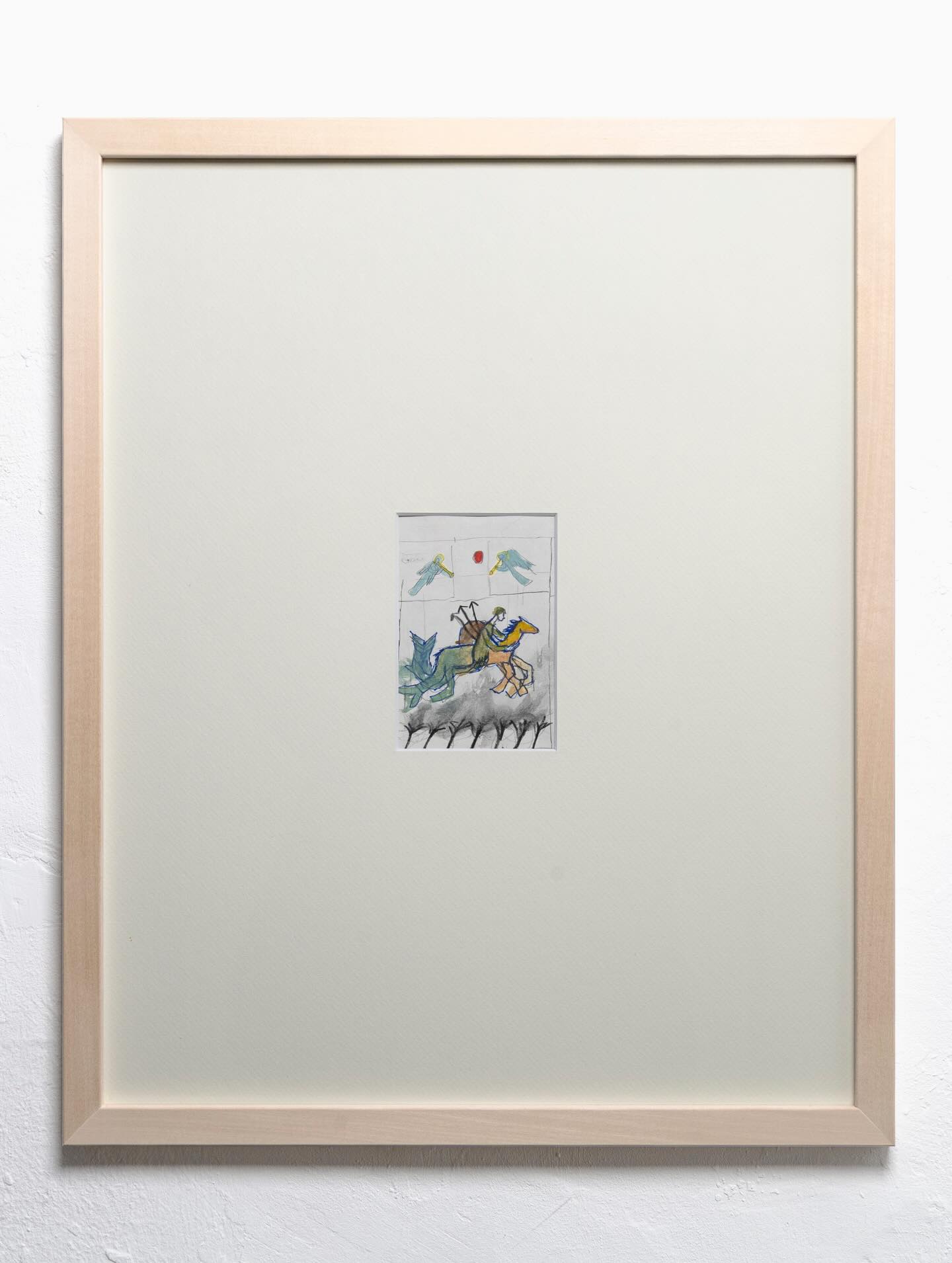
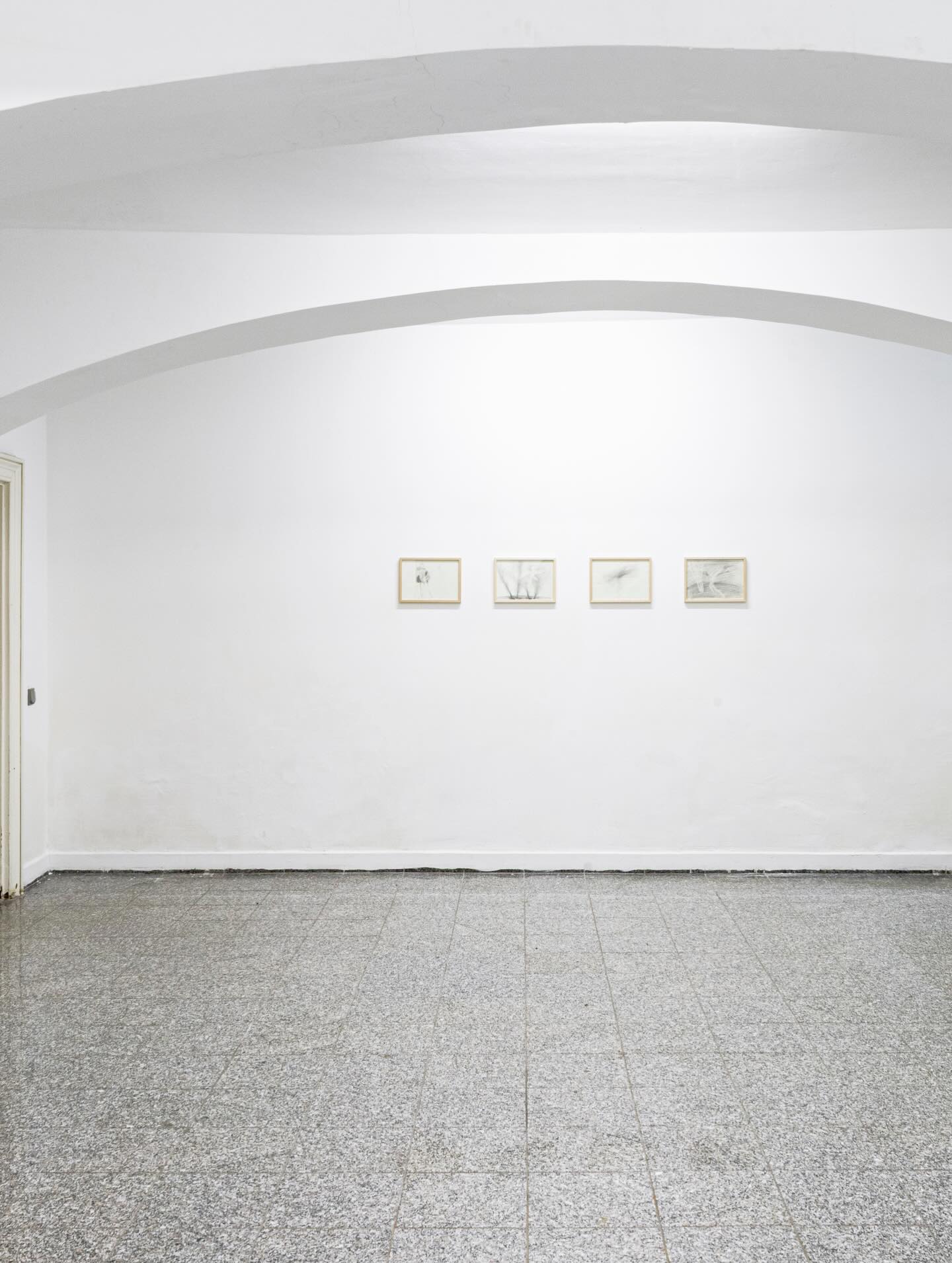
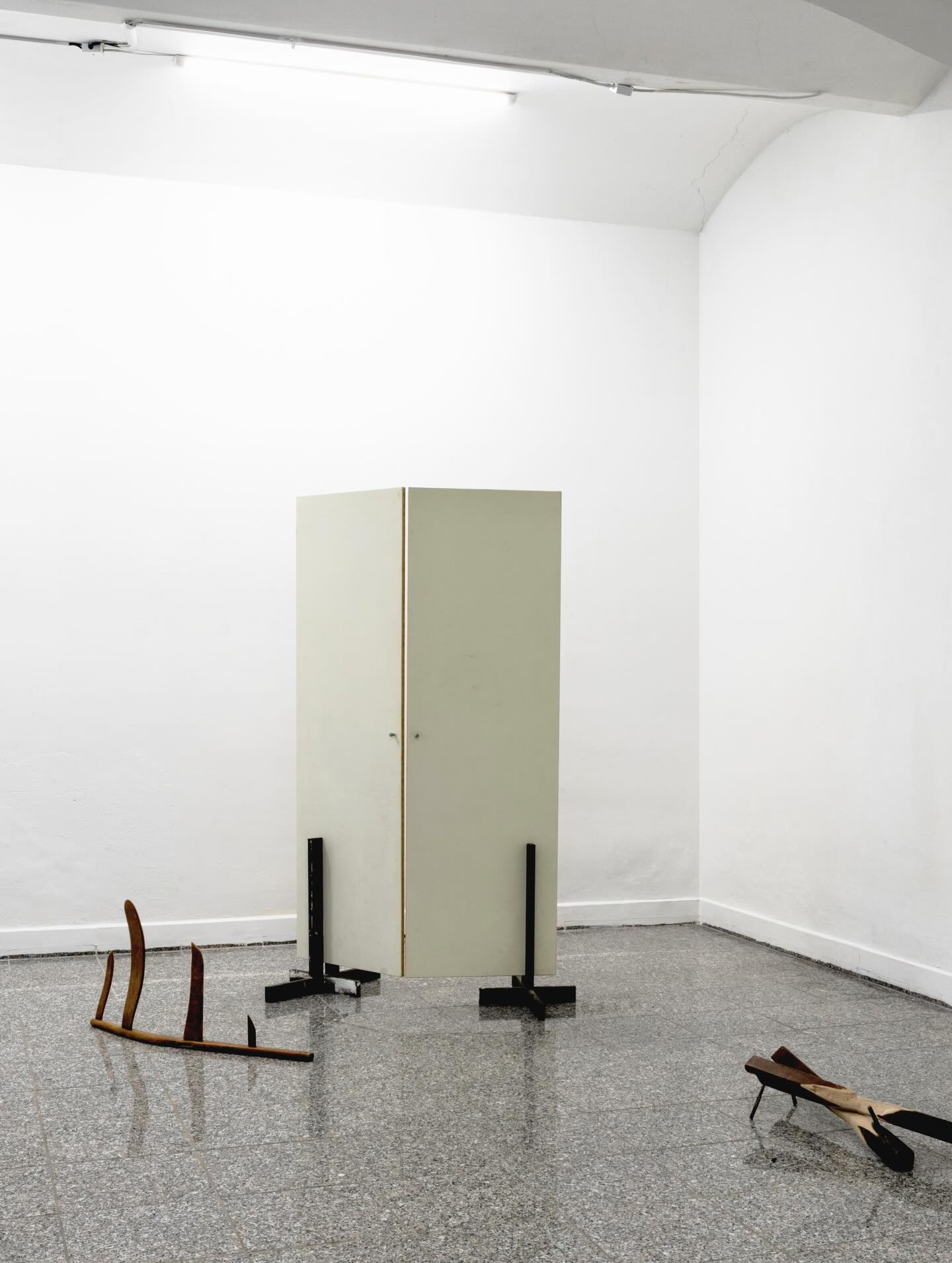
According to Alya Segal, the exposition was initially planned to be larger. However, during the process, the organizers abandoned ‘the attempt to collect as many statements as possible’, focusing instead on several specific stories.
The works presented as part of the exhibition explore the central themes of Marharyta’s practice: presence and absence, as well as vulnerability, home as a temporary state, and memory as a form of care.
About Marharyta Polovinko
Ukrainian artist Marharyta Polovinko was born in 1994 in Kryvyi Rih. In 2019, she moved to Kyiv, where she received her art education at the National Academy of Fine Arts and Architecture.
Before the start of Russia’s full-scale invasion, Marharyta’s work explored themes of post-industrial society, marginalization and human loneliness. After the invasion began, she fully connected her artistic practice to the context of the war.
Polovinko’s first solo exhibition was held in 2023 at the Detenpyla Art Gallery in Lviv.
From 2022, the artist was also involved in volunteer work, and in late 2024, she joined the Armed Forces of Ukraine. On April 5, 2025, Marharyta Polovinko was killed in a combat zone while carrying out a mission.