





ist publishing has launched a book series about Ukrainian art ‘You Have Seen This Before’
/2880x/filters:format(webp)/p/e/64/acb7c24a3cd43d343a0c0ac07d3a964e.webp "ist publishing vy tse bachyly dtf magazine")
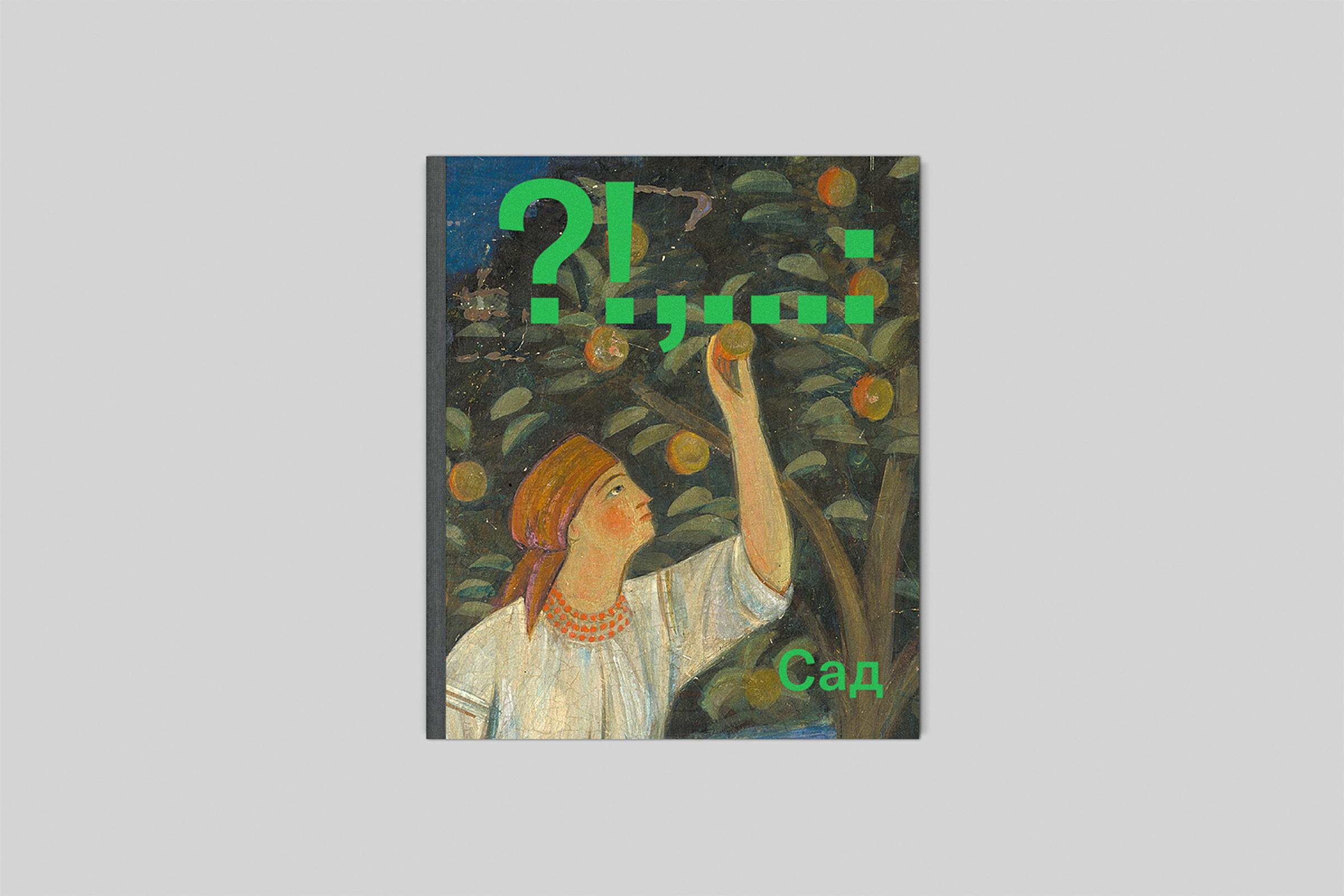
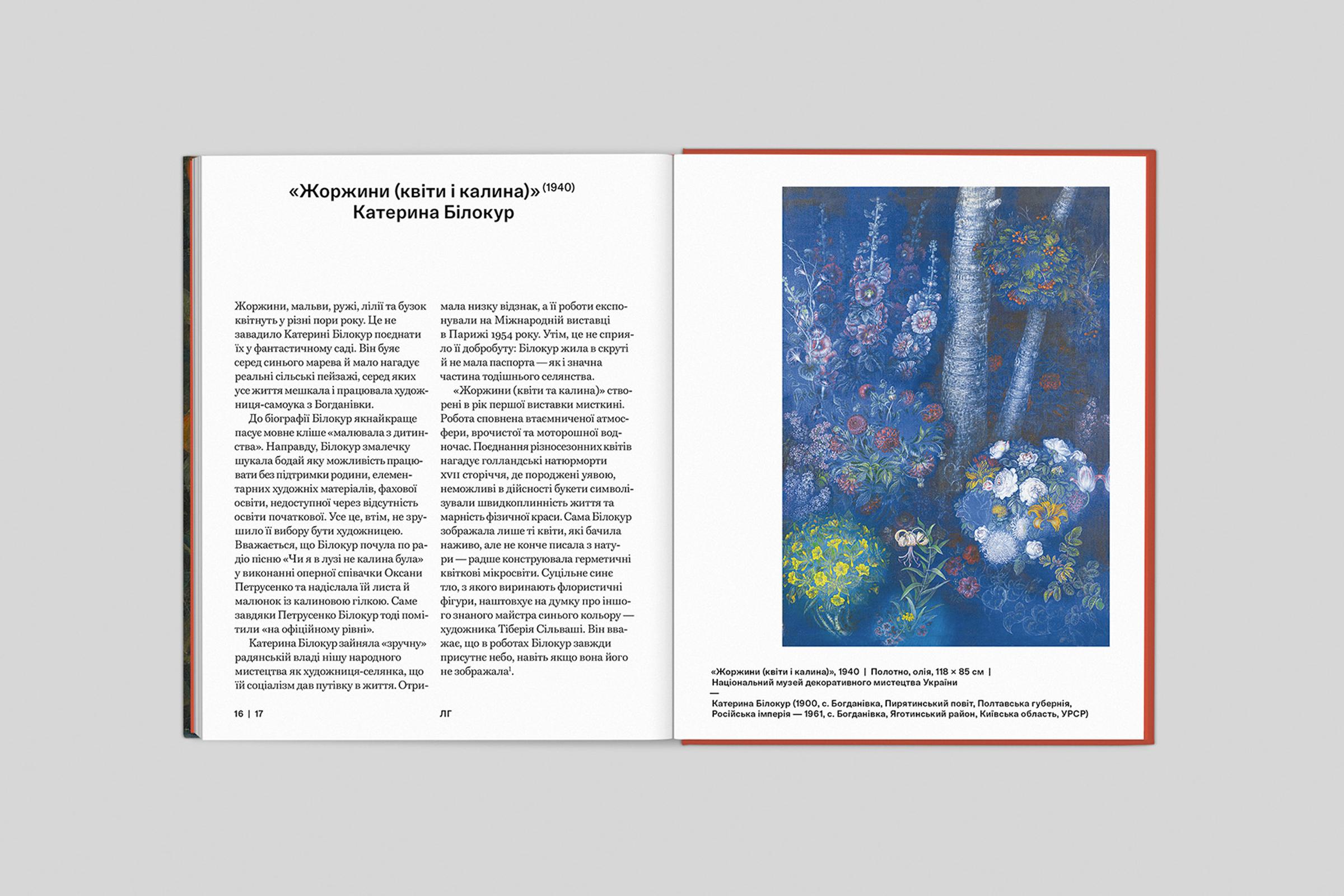
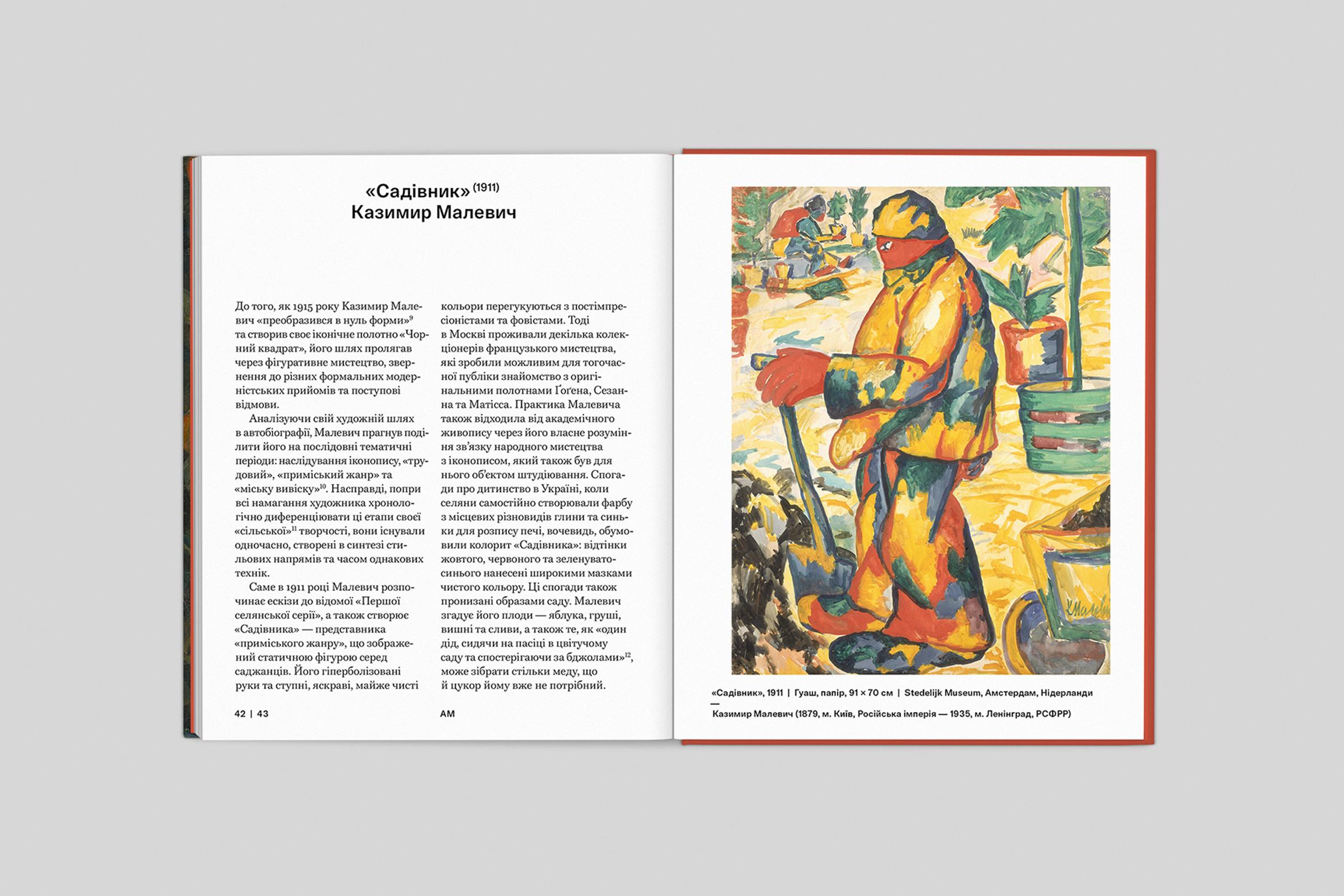
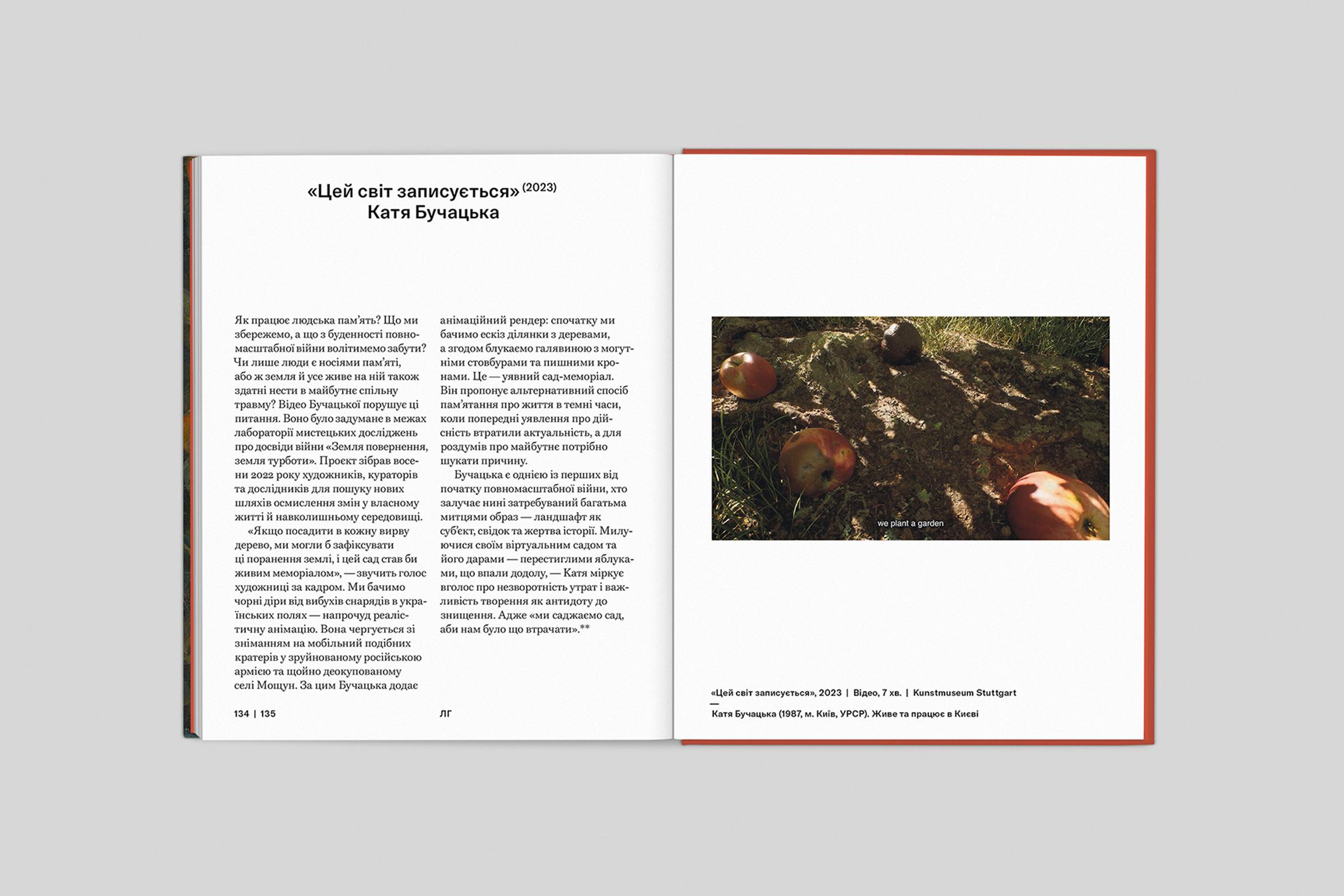
ist publishing is launching a book series dedicated to Ukrainian art titled ‘You Have Seen This Before’. The project will open with the book ‘Garden’ — a selection of over 50 works that explore the metaphor of the garden: Kazimir Malevich’s gardener, the figure who eats the fruit in Mariia Prymachenko’s works, the biblical story of the Fall, the ornament of Saint Sophia Cathedral in Kyiv, the gardens of Taras Shevchenko, the floral world of Kateryna Bilokur, and the map by Pavlo Makov.
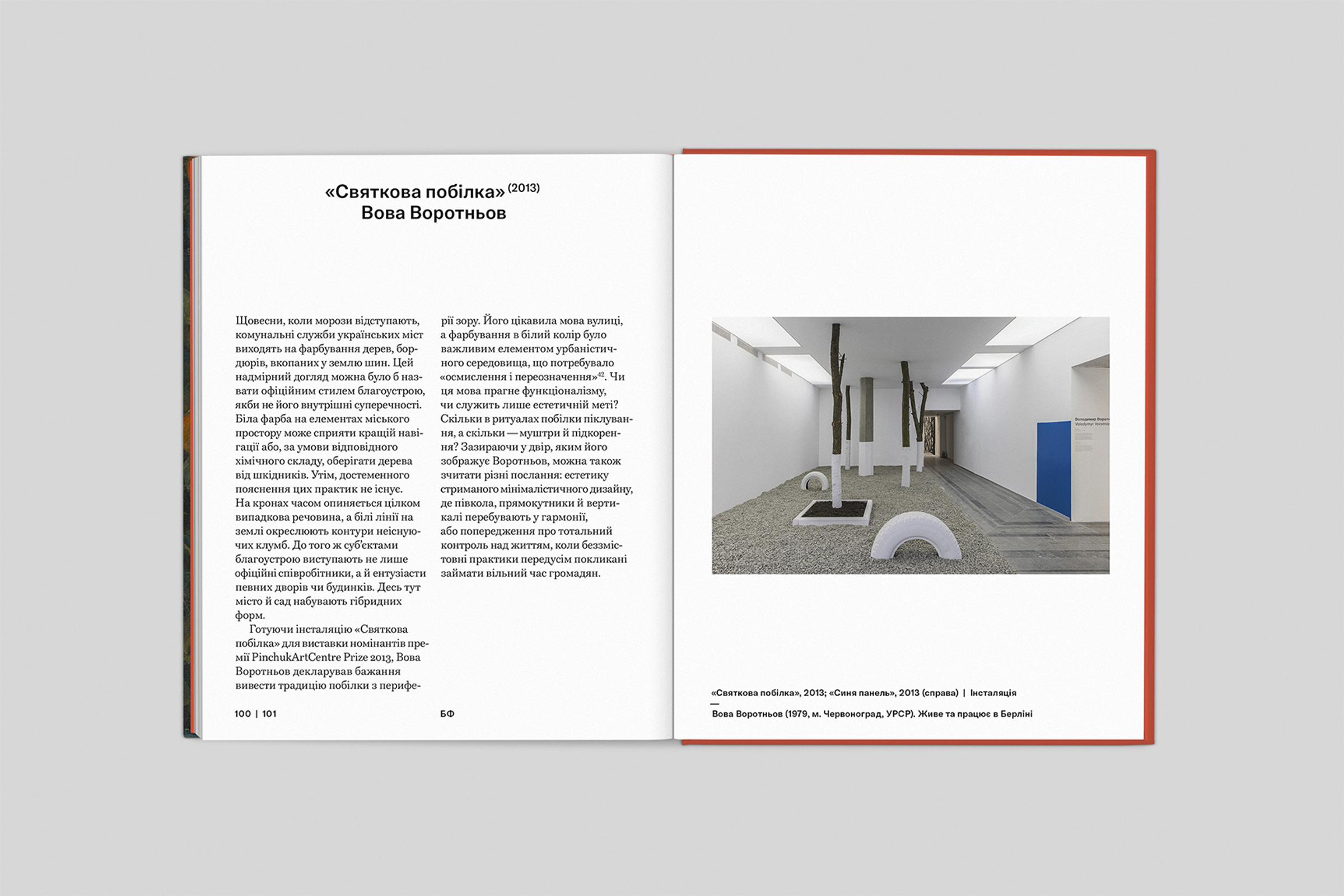
The main part of the publication is dedicated to traditional art forms — painting, graphics, sculpture, and decorative and applied practices. At the same time, the authors of the texts — Lyzaveta Herman, Anna-Mariia Kucherenko, and Borys Filonenko — also draw attention to other media: photography, public art, video art, and cinema. Each work is accompanied by an authorial commentary.
At the request of DTF Magazine, Kateryna Nosko — publisher and co-founder of ist publishing, as well as a cultural manager and journalist — shares more details about ‘You Have Seen This Before’ and Garden
— How, when, and why did the idea for this book series come about?
— The idea for the series, which we define as a collection of Ukrainian art, emerged about a year ago. At Book Arsenal 2025, I first shared it with the future authors and editors — curators and researchers of visual art Lyzaveta Herman, Anna-Mariia Kucherenko, and Borys Filonenko. Quite quickly, Borys, who is also the editor-in-chief of ist publishing, suggested the title for the series — ‘You Have Seen This Before’. We agreed immediately: it was hard to find a more precise phrasing in terms of both tone and meaning. On May 29 this year, as part of Book Arsenal, we will present the first publication in the series — the book ‘Garden’. It is truly an important moment for our entire team.
Over more than ten years of working in publishing and culture, I have repeatedly seen how fragmented knowledge of the history of Ukrainian art remains. We have many individual names, works, and phenomena, but we lack accessible formats that would allow us to see the connections between them. That is why the series also emerged from a desire to bring together works from different historical contexts and media into a broader conversation about Ukrainian art through what one might call timeless images.
— Why does the Ukrainian reader need a series like this? What fundamentally new things do you want to offer them, and what gaps do you aim to fill?
— First and foremost because Ukrainian art still needs a contemporary, engaging, and intellectually compelling form of presentation. We aimed to create not a museum catalog or an album, but sophisticated books that people would want to read, give as gifts, collect, and return to again and again.
Each book in the series explores a specific image — the garden, the night, water, and other themes — and shows how it has manifested in works from different periods and artistic practices. Each artwork is accompanied by an author’s commentary, which adds context, offers unexpected interpretations, and allows one to see the familiar in a new way. A core strength of this series lies in its unexpected combinations. We place side by side works that rarely appear within the same field of vision, and through this, a new dialogue emerges between them.
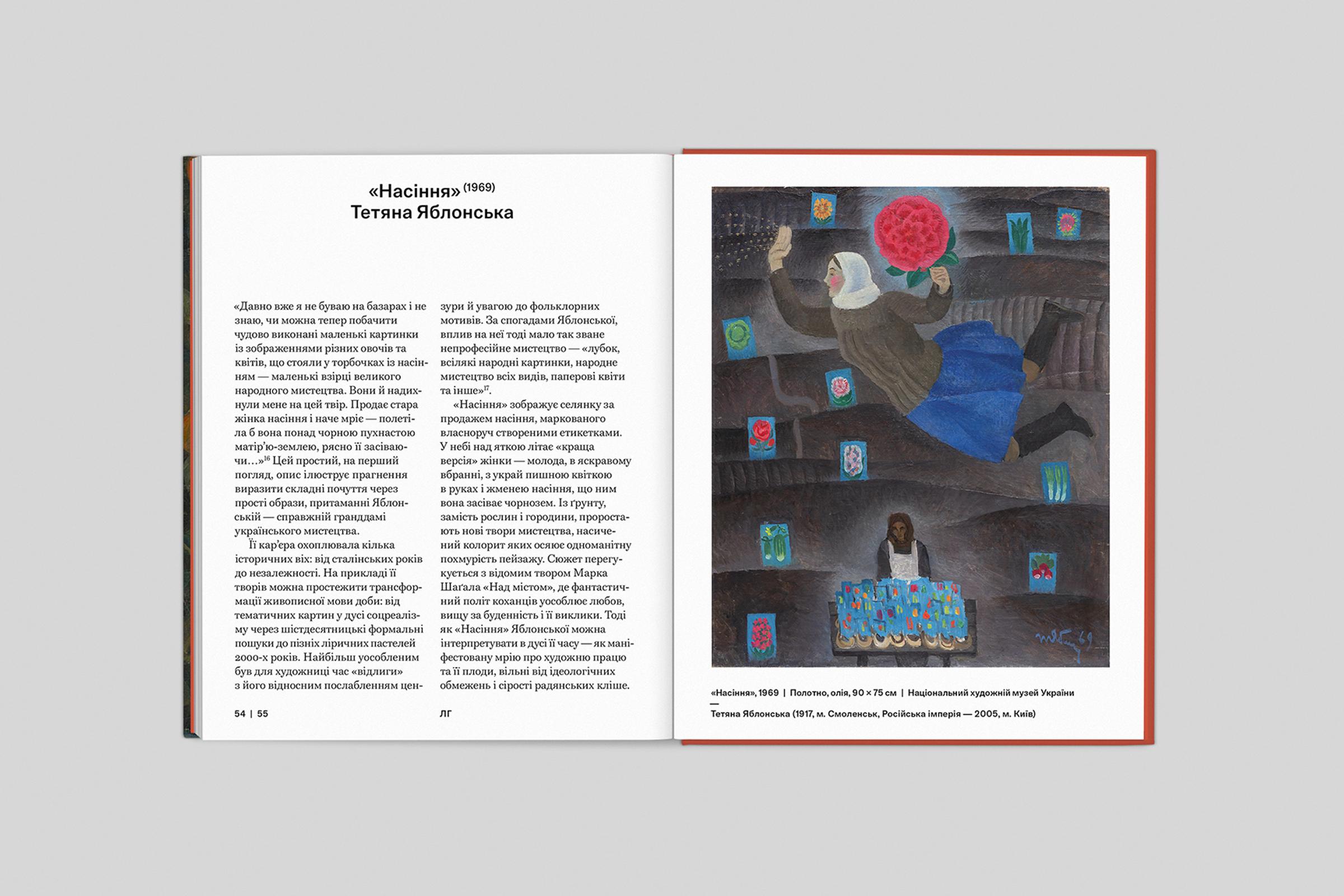
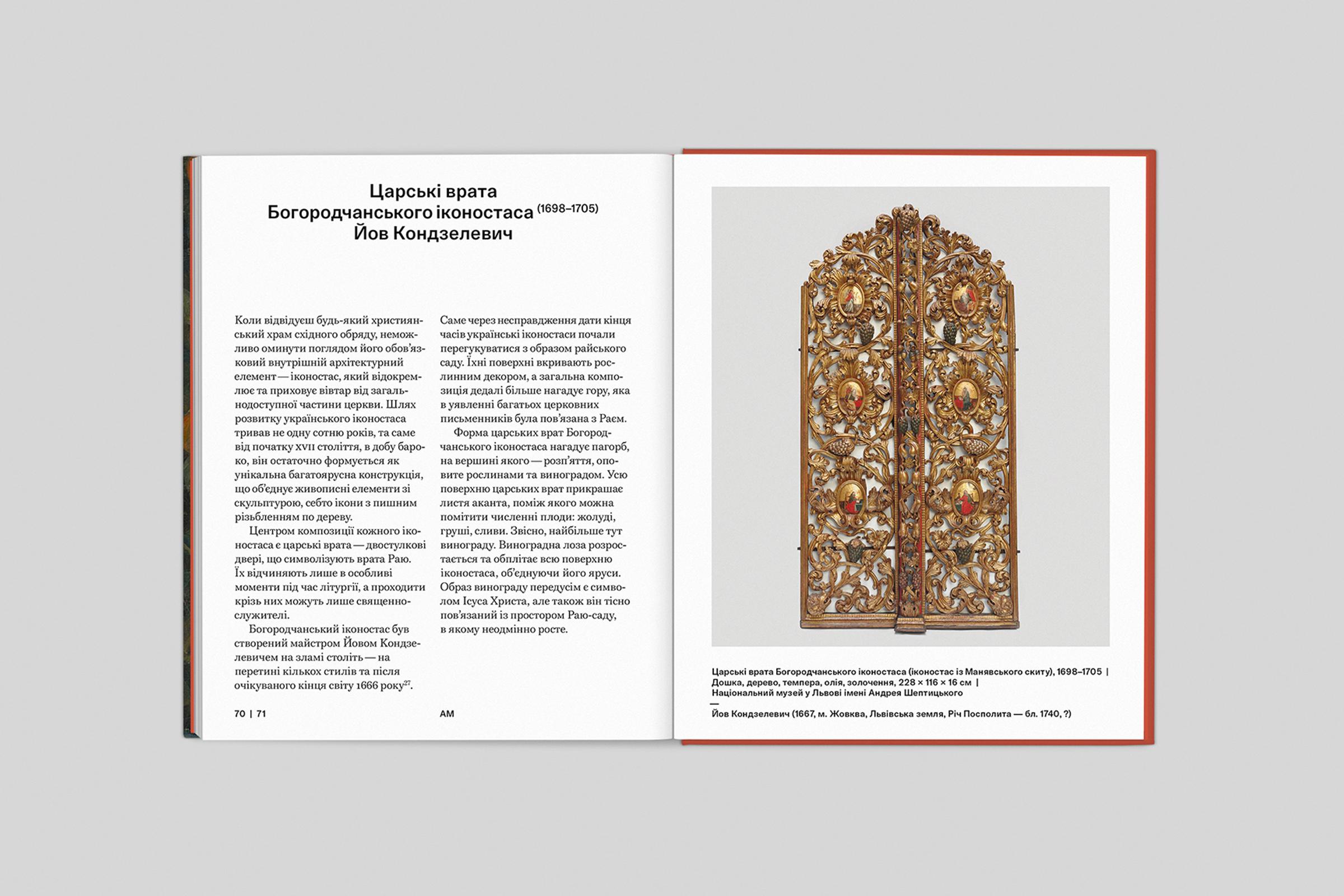
Part of the book includes works of art that today are kept only in storage without public access due to the security situation. Readers will receive not just a selection of reproductions, but an opportunity to look at Ukrainian art from a different perspective. For example, the book features a number of works depicting gardeners who care for a garden. There are also those who enjoy its fruits, as in Mariia Prymachenko’s work ‘Lazybones Lay Down Under an Apple Tree Waiting for the Apple to Fall into His Mouth, but It Hit Him on the Forehead’. Another example is the 11th-century mosaic plant ornament in Saint Sophia Cathedral in Kyiv. The cathedral is not usually associated with ornament as a key element of perception, but Anna-Mariia Kucherenko, through her text and attention to this ornament, shows how the image of the garden shapes the perception of the entire ensemble. In this way, the familiar is revealed from a new perspective.
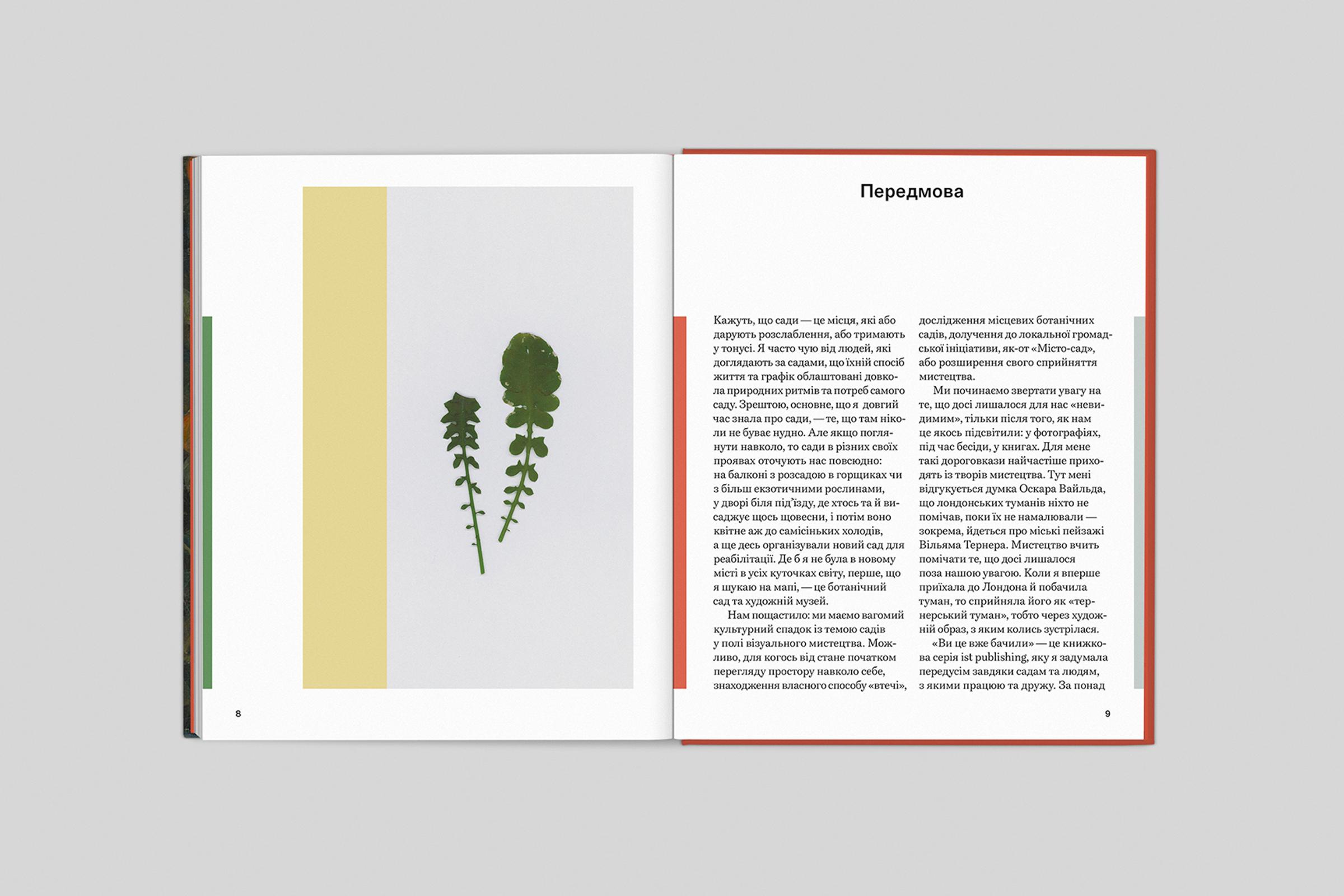
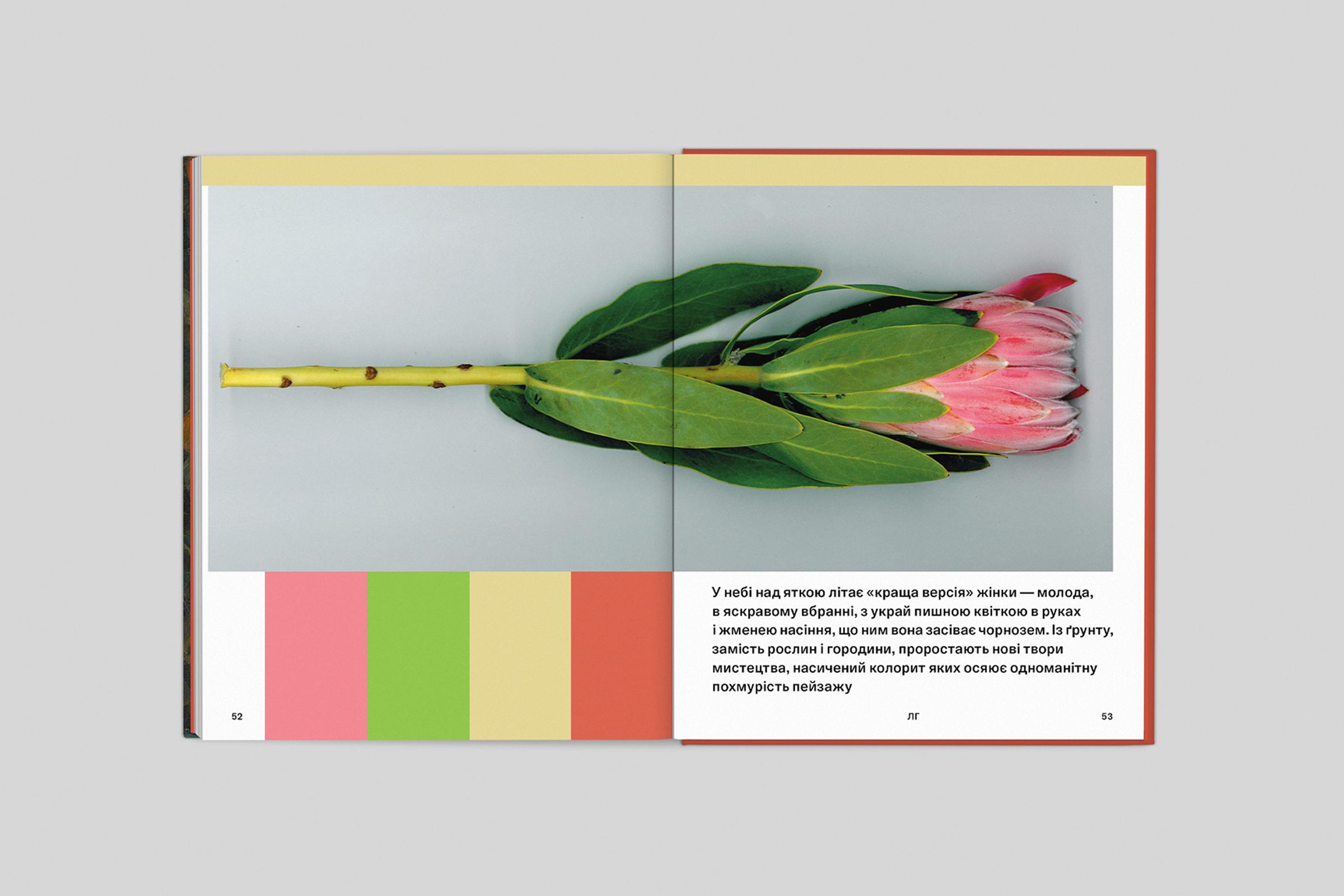
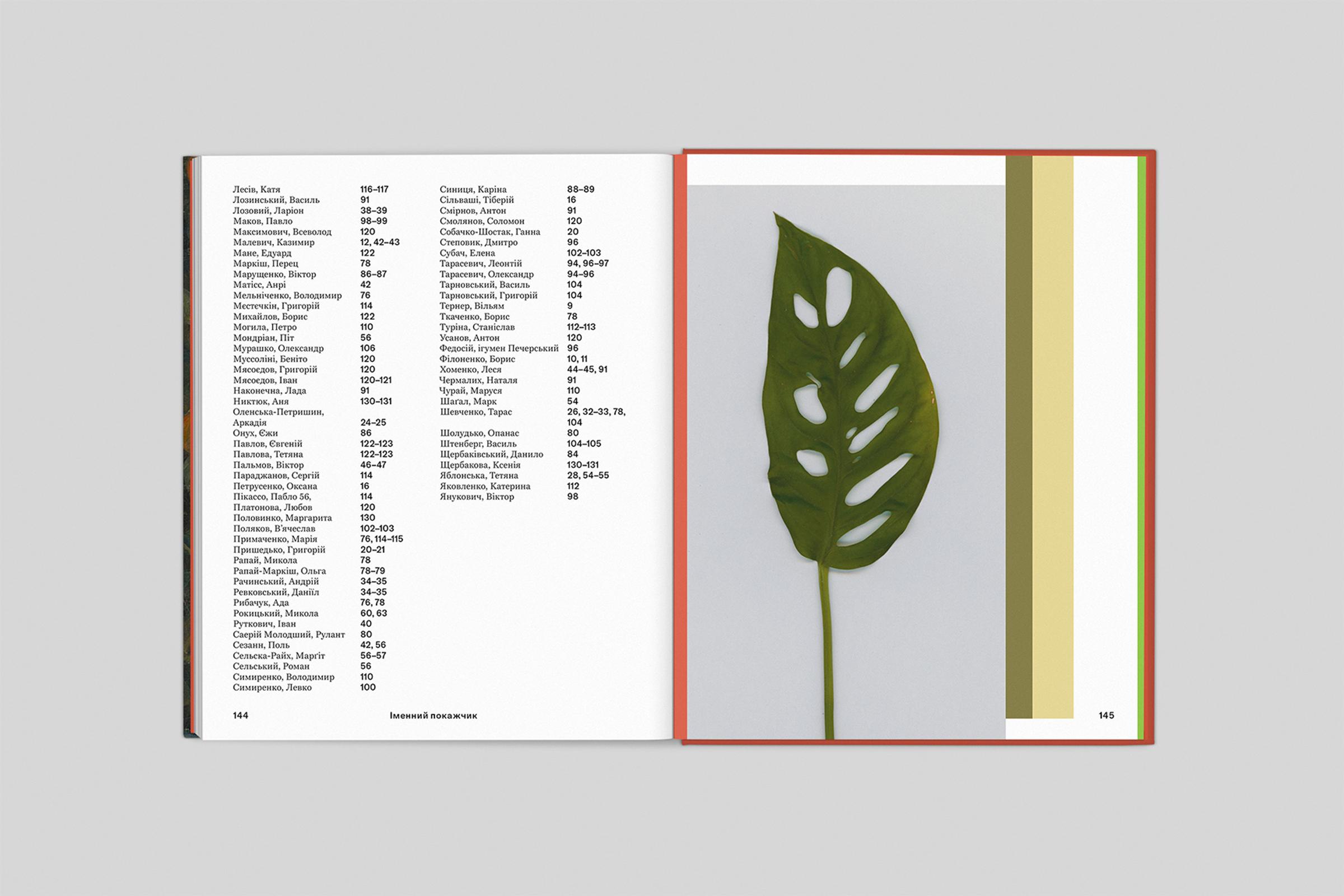
In addition, the book’s design was extremely important for us as a publishing house. That is why it is released in a hardcover edition with a cloth spine and an original design concept by Ostap Yashchuk. He proposed a concept in which the transhistorical journey offered by the publication is accompanied by ultra-high-quality scans of plants. The designer intervened minimally in these images, even preserving the shadows created by the scanner itself. Some of the spreads featuring these images are complemented by the visual language of color calibration charts, which are used in the photographic documentation of artworks to ensure accurate color reproduction. Such elements are usually hidden from the viewer, remaining behind the scenes of the process. However, we have taken this technical tool as a basis and reinterpreted it as a kind of multicolored ornament, combining it with botanical scans.
— Could you please tell us how the themes for the book were selected? Why were these particular images chosen?
— When I arrive in a new city, the first things I look for on the map are a botanical garden and an art museum. Perhaps that is why the theme of the garden for the first book felt so natural and desirable to me. In a way, creating a garden resembles book publishing: both are ways of being human within a specific time and a specific culture.
Work on the book ‘Garden’ during the fourth year of the full-scale war is not a coincidence. In a time of exhaustion and limited resources, we feel an especially acute need for spaces of restoration, quiet, care, and productivity. In this sense, the garden is not only an aesthetic image, but also a gesture directed toward the future. At the same time, the image of the garden has its own rich history in Ukrainian art. It is enough to recall Pavlo Makov’s long-standing work with this theme, the Second Biennale of Young Art in Kharkiv titled ‘Looks like I'm entering our garden’, as well as a series of exhibitions in recent years dedicated to the garden as a metaphor for memory, culture, and coexistence. We wanted to add our own perspective to this conversation.
The other themes were formed collectively. Together with Anna-Mariia Kucherenko, Lyzaveta Herman, Borys Filonenko, and Nastia Leonova, we compiled a broad list of potential images and then cross-referenced them with our personal priorities. In this way, the thematic pool of the series gradually took shape: ‘Garden’, ‘Night’, ‘Water’, and others.
— And how were the works for ‘Garden’ selected? Did the curatorial group manage to include everything they wanted?
— We are fortunate to have a cultural heritage in which the theme of the garden is so vividly present. The selection of works began with a simple question: which images already live in our memory, and which works do we feel as though we have ‘already seen’ — in museums, books, urban spaces, or our own personal experience?
At the same time, we aimed for a balance between canonical, recognizable works and lesser-known pieces that are essential for a complete picture. As Borys Filonenko aptly put it, the process involved a tension between the ‘self-evident’ and what requires a new way of seeing. We wanted to assemble a minimally complete world of the garden theme in Ukrainian art. Of course, we had to search for consensus, since our longlist included far more works than made it into the final version. This was also due to the constraints of the publication format: each book features approximately 50 works.
A separate major stage involved working with copyrights. It took over six months to coordinate the use of all reproductions from museum and private collections — ranging from the National Art Museum of Ukraine in Kyiv to the Stedelijk Museum in Amsterdam, which houses Kazimir Malevich’s ‘Gardener’ included in the book. Unfortunately, some works had to be excluded due to the inability to obtain permission.
You can pre-order ‘Garden’ on the website of ist publishing.
/1456x1040/filters:format(webp)/p/4/9f/f3260ea334e45026589498a6344229f4.webp "sunny-bunny-retrospective-cover-dtf-magazine")
/1456x1040/filters:format(webp)/p/d/ee/2a475282fd19675d4992da3c786e3eed.webp "yuvi-viskra-cover-dtf-magazine")
/1456x1040/filters:format(webp)/p/9/b7/40e0d43c536a365c5bc917426a42cb79.webp "art-ukraine-gallery-cover-dtf-magazine")
/1456x1040/filters:format(webp)/p/9/4a/f815ae7d88652eb9fff5fd3b442894a9.webp "confidance-lviv-cover-dtf-magazine")
/1456x1040/filters:format(webp)/p/9/5c/0df15fe8435bf4c98701496a8591c5c9.webp "polina-maiboroda-playground-cover-dtf-magazine")
/1456x1040/filters:format(webp)/p/6/73/6b9452cf46d174212bd094fa253d3736.webp "siete-catorce-iriy-cover-dtf-magazine")
/1456x1040/filters:format(webp)/p/b/e6/f8d84a95cbe845d63f28548a6f63fe6b.webp "impact-kyiv-cover-dtf-magazine")